


Duckworth Demands Answers From Manufacturers Of Pediatric RSV Immunization Regarding Shortage Supply

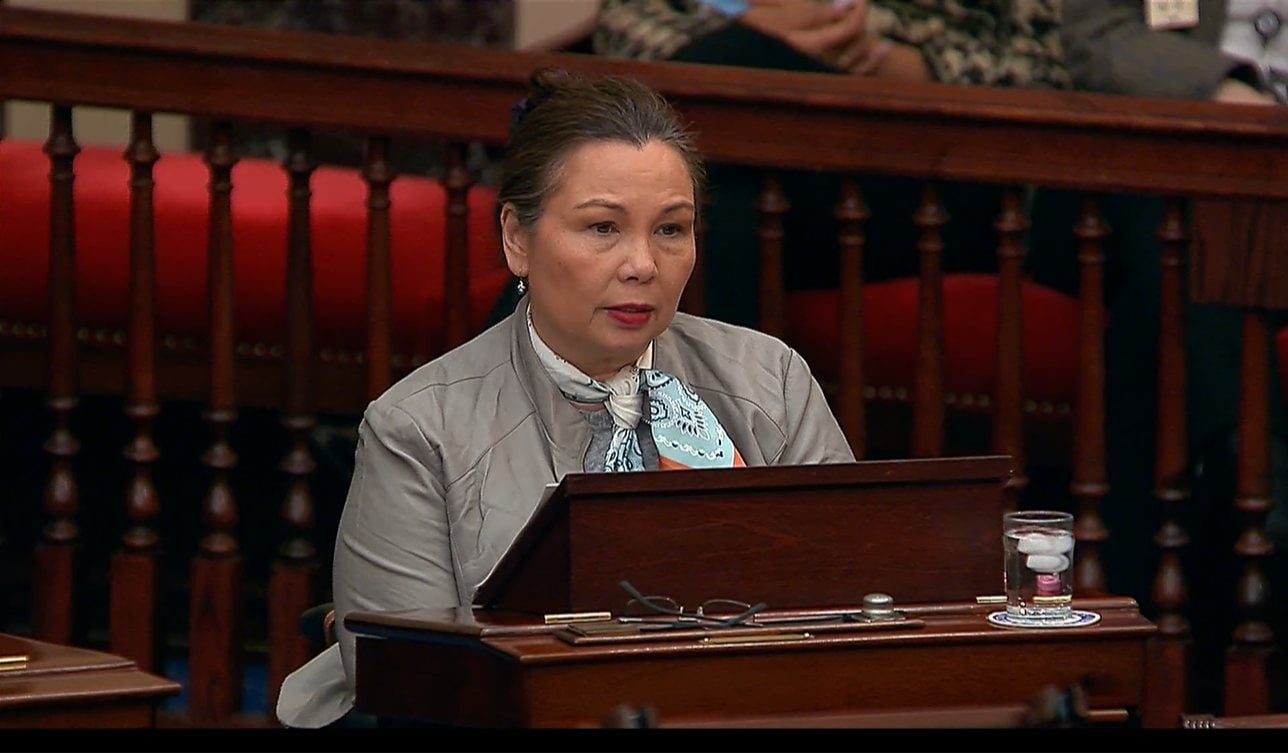
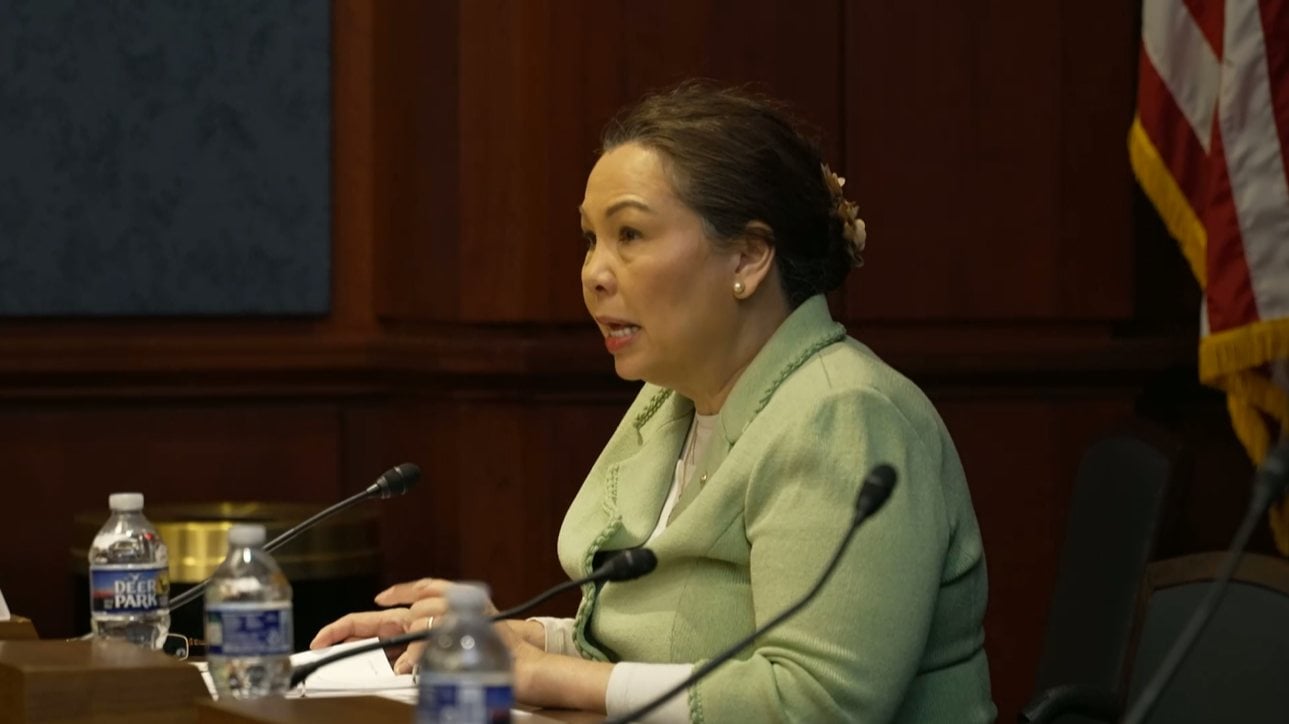
WASHINGTON, D.C. – As parents across the nation continue to be frustrated by a short supply of a new FDA- and CDC-backed immunization that can be used to prevent severe disease from respiratory syncytial virus (RSV) in babies, U.S. Senator Tammy Duckworth (D-IL) is demanding answers from two major pharmaceutical manufacturers. Sanofi and AstraZeneca, who manufacture the immunization known as nirsevimab (Beyfortus), seem to have vastly underestimated the amount of vaccine needed to help protect lives this RSV season. In a letter sent today, Duckworth pushed the two pharmaceutical companies for transparency and to provide a briefing on the current amount of nirsevimab, how these supply issues came to be as well as how we can prevent such a shortage from happening again in the future so we can be better prepared in the years ahead.
Get The Latest News!
Don't miss our top stories and need-to-know news everyday in your inbox.
“This supply shortage is impacting large hospitals and small health clinics alike, which highlights a concern for equitable care and access,” Duckworth wrote. “It leaves parents searching for this immunization and desperate for an option to reduce risk of illness and save children’s lives. We must prioritize safeguarding our most vulnerable neonates, infants and children this RSV season.”
In the letter, Duckworth asks for answers from Sanofi and AstraZeneca on the following questions by November 30th, 2023:
Along with Duckworth, the letter is co-signed by U.S. Senators Kirsten Gillibrand (D-NY), Ron Wyden (D-OR), Ed Markey (D-MA), Richard Blumenthal (D-CT), Jon Ossoff (D-GA) and Elizabeth Warren (D-MA).
Full text of the letter can be found on the Senator’s website.
More like this:



- Most Popular



- Top Stories



- Most Recent


