

Attorney General Raoul Announces $45 Million Multistate Settlement With Block Inc. Over Deceptive Practices On Cash App
Illinois will receive more than $1.1 million under the settlement, which also requires Block to expand customer support and strengthen fraud protections on Cash App.

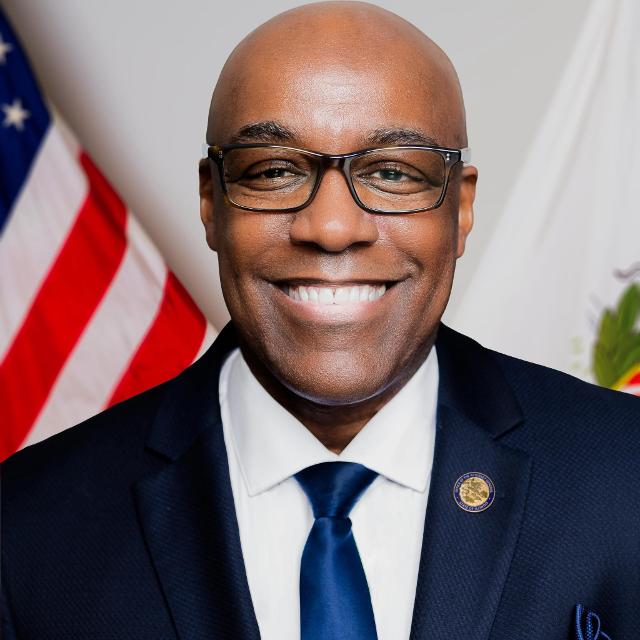
CHICAGO – Attorney General Kwame Raoul today announced a bipartisan $45 million multistate settlement with Block Inc., the company behind the popular peer-to-peer payments app Cash App. The settlement resolves allegations that Block misled consumers about the safety of Cash App, failed to protect users from fraud on the platform, and didn't provide fraud protection and resolution required by law.
Get The Latest News!
Don't miss our top stories and need-to-know news everyday in your inbox.
“Block told Cash App users their money was safe and falsely implied that the app worked like a bank, with the same protections,” Raoul said. “Block was aware that fraud on its platform was rising sharply and failed to warn users, strengthen protections or provide real help to users when things went wrong. I am pleased that this settlement holds Block accountable and requires the company to change its harmful practices.”
Under the settlement, Illinois will receive more than $1.1 million. The multistate settlement also reaffirms Block’s previous agreement to distribute between $75 million and $120 million to compensate consumers nationwide as part of a settlement with the Consumer Financial Protection Bureau (CFPB). Additional information regarding the CFPB’s settlement is available on the bureau’s website.
The multistate coalition alleges that Block grew its user base without making sure it could support those users when problems arose. Block actively promoted direct deposits of paychecks and government benefits into Cash App. It made a particular push to reach unbanked and underbanked consumers. These customers often rely on Cash App as their primary financial account and are especially vulnerable to fraud.

Raoul and the attorneys general allege that Block’s policies failed to stop fraud, and, in some cases, made it easier. Block’s sign-up process was designed to be fast with minimal identity verification. That made it easy for fraudsters to create accounts, not just legitimate users. For years, Cash App had no phone support. Users who needed help could only message through the app or on social media. Consumers who got locked out of their accounts, or wanted to talk to someone for assistance, searched online for a phone number and often ended up calling fake 1-800 numbers run by scammers posing as Cash App. Those scammers would then take over accounts or drain users’ other financial accounts. Block knew this was happening and didn't warn users or set up a real phone line until years later.
Block also ran a social media promotion called Cash App Fridays, encouraging users to publicly post their unique Cash App identifier, called a $cashtag, for a chance to win a weekly prize. Fraudsters would then contact users, tell them they’d won, and trick them into handing over their login information. Block continued to run the promotion even after it was aware of the scams.
Block’s failure to provide adequate customer service and to fulfill its promise to protect users from fraud had real consequences for real people. Innocent users who experienced automated account locks for suspicious transactions were frequently locked out of their accounts for weeks without a way to access their money. Victims of fraud through the app were often left with no recourse. Delays made it impossible to get stolen money back from scammers. Block failed to investigate unauthorized transactions and failed to issue refunds when required by law.
In addition to payments to states, the settlement obtained important injunctive relief. The settlement, which is subject to court approval, requires Block to implement and maintain responsible practices to resolve these issues, including to:
- Maintain customer support that can resolve fraud complaints, account lockouts and other problems.
- Offer live support 24 hours a day, with a human available by phone at least 13.5 hours a day and by live chat at least 18 hours a day.
- Stop making false or misleading claims about Cash App’s safety and how it protects users from fraud.
- Discontinue marketing practices known to increase fraud on the platform.
- Directly educate consumers about common types of fraud.
- Fulfill its legal obligations to investigate fraud claims and reimburse users for unauthorized transactions.
Joining Raoul in today’s settlement are the attorneys general of Alabama, Alaska, Arizona, Arkansas, California, Colorado, Connecticut, Delaware, Florida, Georgia, Idaho, Indiana, Iowa, Kansas, Kentucky, Louisiana, Maine, Maryland, Massachusetts, Michigan, Minnesota, Mississippi, Montana, Nebraska, Nevada, New Hampshire, New Jersey, New Mexico, New York, North Carolina, North Dakota, Ohio, Oklahoma, Oregon, Pennsylvania, Rhode Island, South Dakota, Tennessee, Texas, Utah, Vermont, Virginia, Washington, West Virginia and Wisconsin.
More like this:


- Most Popular


- Top Stories


- Most Recent