

Billy Mills Had His Landmark Olympics 10,000-Meter Race Victory On October 14, Cubs Repeat
Oct. 14 marks the Cubs’ 1908 title, landmark Olympic victories by Billy Mills and Jim Hines, and other defining moments in sports history.
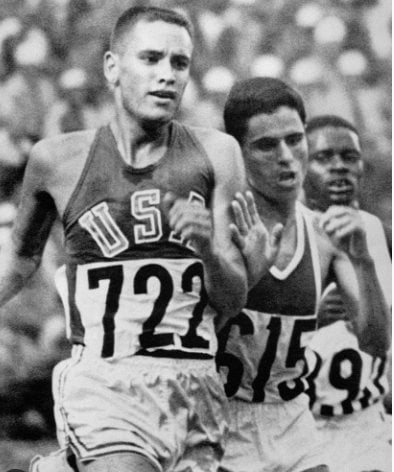
On Oct. 14, 1964, Billy Mills delivered a dramatically different kind of victory at the Tokyo Olympics. The American distance runner surprised the leading contenders in the men’s 10,000 meters, winning gold in an Olympic-record 28 minutes, 24.4 seconds. Tunisia’s Mohamed Gammoudi finished second in 28:24.8, while Australia’s Ron Clarke took bronze in 28:25.8. Less than two seconds separated the three medalists after 25 laps.
Get The Latest News!
Don't miss our top stories and need-to-know news everyday in your inbox.
Clarke helped establish a demanding pace, but Mills remained with the leaders. The last lap brought contact, shifting positions and a surge by Gammoudi. Rather than fade as his rivals fought for the lead, Mills produced the decisive sprint down the finishing straight, passing both men to claim the championship. His victory turned a runner little known internationally into the central figure of an enduring Olympic upset.
Mills also brought Native American representation to one of the Olympics’ most visible stages. Raised on the Pine Ridge reservation in South Dakota, he came from the Oglala Sioux community. His achievement carried significance beyond the medal: An athlete who had entered the race outside the spotlight had beaten the established contenders when the championship was at stake.
Four years later, on Oct. 14, 1968, American Jim Hines crossed another important threshold at the Mexico City Olympics. He won the men’s 100 meters in 9.95 seconds, the first legal, electronically timed performance below 10 seconds. Jamaica’s Lennox Miller took silver in 10.04, and American Charlie Greene earned bronze in 10.07.
Hines caught early leader Mel Pender around halfway and pulled clear. His performance requires an important distinction: Runners had already recorded hand-timed marks below 10 seconds, but Hines’ Olympic final established the breakthrough with electronic timing. It was both a championship victory and a landmark in measuring sprint performance. The world record lasted nearly 15 years, until Calvin Smith lowered it to 9.93 in 1983.
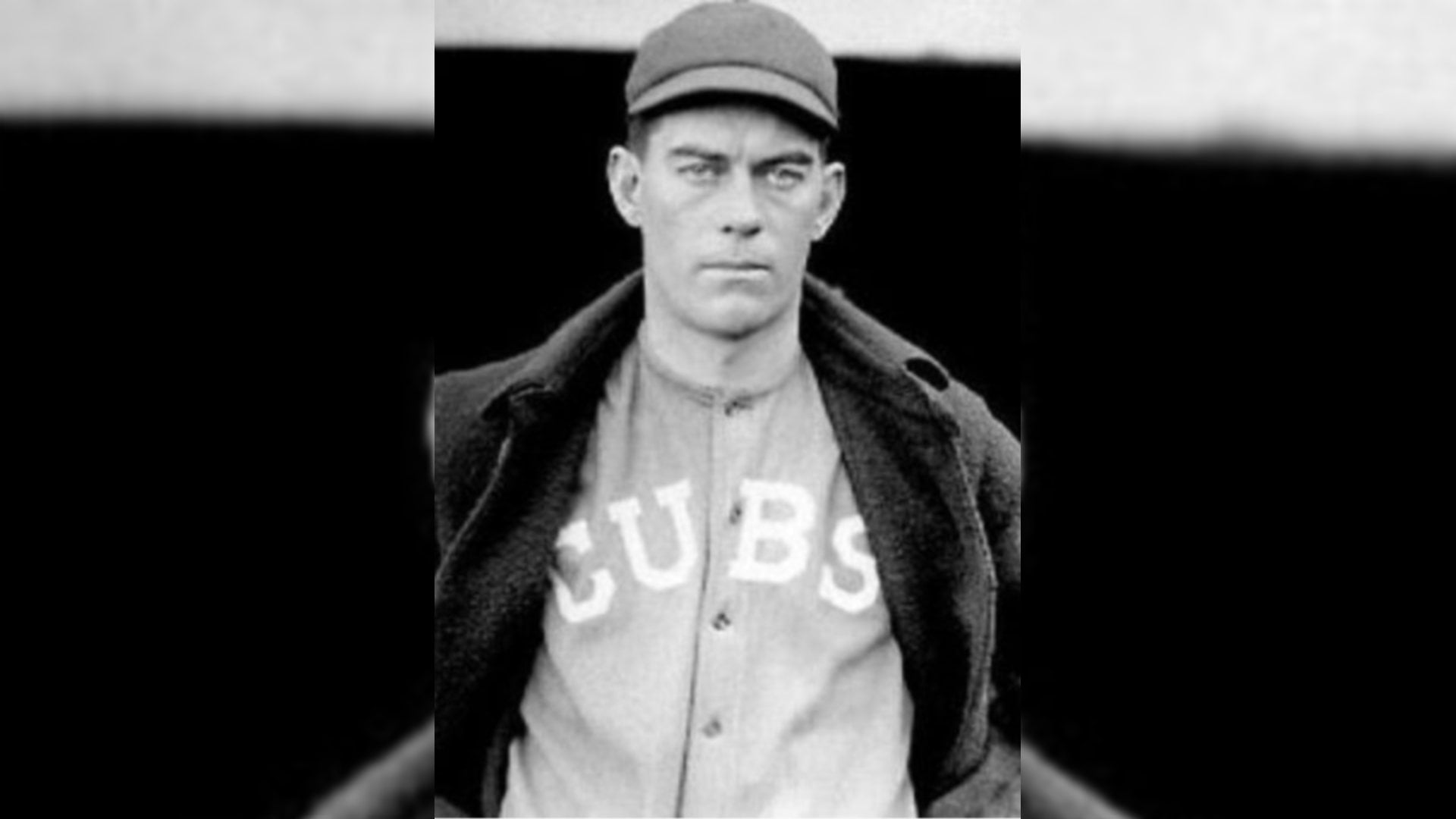
On Oct. 14, 1908, the Chicago Cubs completed a second consecutive World Series championship, beating the Detroit Tigers 2-0 behind Orval Overall’s three-hit shutout. It was a defining achievement for an early baseball powerhouse — and a victory that took on far greater meaning as generations passed without another Cubs championship. Chicago would not win the World Series again until 2016, a gap of 108 years.
For Illinois baseball fans looking back on Oct. 14, 2026, that championship provides the starting point for a date that also brought Olympic breakthroughs, Wayne Gretzky’s first NHL goal and two sharply different postseason memories. Across those moments, the immediate results were clear, but their place in sports history often became larger with time.
The Cubs entered Game 5 at Detroit’s Bennett Park with a 3-1 series lead. They quickly gave Overall room to work. Johnny Evers, Frank Schulte and player-manager Frank Chance delivered consecutive first-inning singles, with Chance’s hit driving in Evers. Chicago had established an early advantage in a game that would end Detroit’s season.
Overall controlled the Tigers throughout the clincher. His complete-game performance included four strikeouts in one inning, the first such inning in postseason history. The 2-0 victory finished a four-games-to-one series win and repeated Chicago’s championship success against Detroit the previous year. What looked like another celebration for an established winner became the reference point for a wait that stretched well beyond the lifetimes of the players involved.
On Oct. 14, 1979, Gretzky scored his first NHL goal against Vancouver in Edmonton’s 4-4 tie. His career eventually included 894 regular-season goals, but the first remained personally important to him. In a Hockey Hall of Fame interview, Gretzky placed it among his five most memorable goals, alongside achievements that included reaching 50 goals in 39 games and breaking the career goal record. The milestone illustrates how an ordinary-looking entry on a game sheet can become the beginning of an extraordinary career.
On Oct. 14, 1984, Detroit claimed a championship of its own. The Tigers defeated the San Diego Padres 8-4 at Tiger Stadium in Game 5, ending the World Series in five games. Kirk Gibson supplied two home runs, including an eighth-inning three-run shot that expanded a one-run lead into the final margin.
Gibson’s first homer helped Detroit build an early lead, but San Diego rallied to tie the game. The Tigers regained the advantage, and Gibson’s second blast off Rich “Goose” Gossage removed much of the remaining suspense. Willie Hernandez finished the victory, securing Detroit’s first World Series championship since 1968. It was the successful conclusion to a season that had opened with a remarkable 35-5 start.
The date returned to Cubs history in 2003, this time with a painful reversal. Chicago led Florida 3-0 in the eighth inning of Game 6 of the National League Championship Series at Wrigley Field, five outs from its first World Series appearance since 1945. A foul ball hit by Luis Castillo brought left fielder Moises Alou and nearby spectators, including Steve Bartman, toward the same spot.
Umpire Mike Everitt did not rule fan interference because the ball was outside the field of play. The inning continued, and Florida’s rally included hits, walks and a costly error by Cubs shortstop Alex Gonzalez. The Marlins scored eight runs, won 8-3 and captured Game 7 the next night. Bartman’s name became attached to the defeat, but the game’s sequence makes an essential point: Chicago’s collapse involved far more than one foul ball or one spectator.
More like this:

- Most Popular



- Top Stories


- Most Recent