Why Autumn Nights Feel Longer
Shorter days, shifting routines and the way the brain reads light all contribute to the feeling that autumn evenings stretch on.
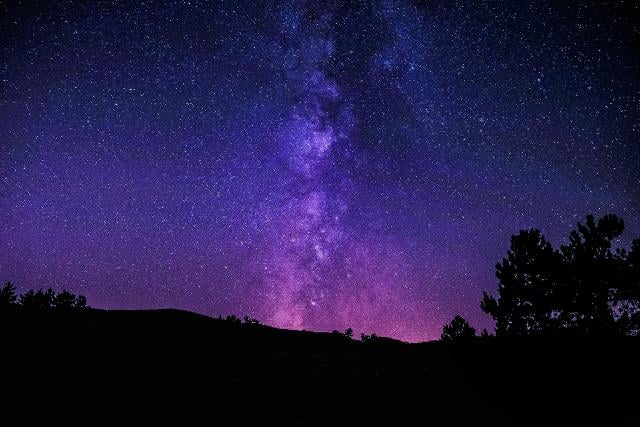
Why Autumn Nights Feel Longer
You finish dinner, glance at the dark window, and assume bedtime must be close. Then you check your phone: it is only 7:15. The clock has barely moved, yet the evening already feels well underway. That mismatch reveals something important about how we experience time. We do not judge an evening by minutes alone. We also read the light, follow familiar routines, and notice how alert—or sleepy—we feel.
Get The Latest News!
Don't miss our top stories and need-to-know news everyday in your inbox.
Autumn nights feel longer partly because they really are growing longer. But astronomy explains only part of the experience. Changes in light, daily habits, and expectations can make an ordinary evening seem unusually stretched out.
The Darkness Really Does Last Longer
Earth’s axis is tilted by about 23.4 degrees. As the planet travels around the sun, that tilt changes how much daylight each hemisphere receives.
During autumn, our hemisphere gradually tilts farther away from the sun. The sun takes a lower, shorter path across the sky. It rises later and sets earlier, leaving more hours between sunset and sunrise.
This happens from September through December in the Northern Hemisphere and from March through June in the Southern Hemisphere. Near the equator, day length changes relatively little. Farther from it, the difference becomes much more noticeable.
For example, London receives roughly 12 hours of daylight near the September equinox but less than eight hours near the December solstice. That gives darkness several extra hours to occupy the same daily schedule.
The change in day length is also fastest around the equinoxes, not at the winter solstice. That helps explain why the shrinking daylight can seem especially noticeable during autumn. By midwinter, nights are longer, but their length changes more slowly.
Your Brain Uses Light as a Clock
A clock on the wall measures time. Your brain estimates it using a much messier collection of signals.
Light is one of the strongest. Special light-sensitive cells in the eyes send information to the brain’s internal clock. This system helps coordinate daily rhythms, including alertness, body temperature, and sleep.
As natural light fades, the body receives a signal that biological night is approaching. Under dim conditions, levels of melatonin—a hormone involved in the timing of sleep—usually begin to rise.
Melatonin is not an instant sleep switch, and an early sunset does not automatically make everyone sleepy. Indoor lighting, screens, individual habits, and personal sleep timing all matter. Still, a dark environment can make an evening feel more advanced than the clock suggests.
In summer, daylight may accompany an after-dinner walk or a late trip to the shops. In autumn, those same activities happen under streetlights. The hour has not changed, but its visual meaning has.
Darkness Arrives Before Your Routine Is Ready
Daily schedules often stay fixed while daylight shifts around them.
Work still finishes at five. Dinner is still at seven. Children still have homework afterward. Yet the journey home, which recently happened in daylight, now takes place after sunset.
That creates a mismatch between environmental cues and social time. Darkness says, “The day is ending.” Your calendar says, “There are several things left to do.”
The result can feel like an unusually long stretch of nighttime activity. You may spend hours cooking, cleaning, watching television, or answering messages after the world outside has gone dark.
This is especially noticeable for people who spend daylight hours indoors. Someone who enters an office near sunrise and leaves after sunset may experience very little outdoor light. The night then seems to dominate the day, even though much of that impression comes from when daylight is available.
Changing the Clocks Can Make It Feel Sudden
Where daylight saving time ends in autumn, the clock change adds another layer.
Moving clocks back one hour does not create extra darkness across a full day. It shifts the labels we attach to sunrise and sunset. Morning becomes lighter by the clock, while evening darkness appears an hour earlier.
A sunset listed at 6 p.m. before the change may occur at about 5 p.m. afterward, with a small additional shift from the natural shortening of the day.
That sudden change can feel more dramatic than the gradual astronomical one. An evening commute may move from fading daylight to full darkness almost overnight.
The saying “spring forward, fall back” helps people remember which way to adjust their clocks. But “fall back” can also capture the feeling: evening seems to retreat into the afternoon. Places that do not change their clocks still experience shortening autumn days, just without that abrupt jump.
Quiet Evenings Can Change Your Sense of Time
Darkness does not reliably make the brain perceive every minute as longer. The experience depends partly on what you are doing and where your attention goes.
An absorbed hour spent cooking with friends may disappear quickly. An hour spent waiting, feeling tired, or repeatedly checking the clock may drag.
Autumn can change those conditions. Outdoor plans may become less frequent, and evenings may grow quieter or more repetitive. With fewer activities competing for attention, there may be more opportunities to notice time passing.
Memory adds another twist. An evening can feel slow while it is happening but seem brief afterward because little distinguished one hour from the next. A busy evening may fly by yet feel full when recalled.
So “a long night” can describe several different experiences: more hours of darkness, a slow-moving evening, or a night packed with memorable events.
People Have Long Given Darkness a Social Role
Before widespread electric lighting, the changing balance of daylight and darkness shaped work and household life more directly. Candles and oil lamps provided light, but they cost money and offered limited brightness.
Longer evenings could encourage indoor tasks, conversation, storytelling, and communal gatherings. Practices varied widely, but darkness often changed what people could comfortably do.
Some autumn traditions still turn that darkness into part of the occasion. Lantern processions for St. Martin’s Day in parts of Europe, for example, make the evening itself a shared experience.
The expression “the nights are drawing in” also reflects close observation. Literally, the daylight window is narrowing. Emotionally, the phrase suggests that familiar outdoor space is becoming less available.
Electric lighting has loosened that connection, but it has not erased it. We can illuminate a room at any hour while still responding to the dark window beyond it.
Making the Longer Evenings Feel Different
A few observations and small adjustments can help:
- Check actual sunset times. Comparing them over several weeks separates the real change from the impression that darkness arrived all at once.
- Get outside during daylight. A lunchtime walk can provide outdoor light when the commute offers little.
- Give the evening some structure. A meal, a hobby, or a social plan can make dark hours feel purposeful rather than empty.
- Keep sleep timing reasonably consistent. Feeling that it is late does not always mean you need to go to bed immediately.
- Notice persistent changes in mood. If low mood, unusual sleepiness, or loss of interest lasts, consider speaking with a healthcare professional.
Autumn nights sit at the meeting point of planetary motion and personal perception. Earth gives darkness more hours; our routines and expectations give those hours their character. Recognizing that difference can make the early dark feel less puzzling—and leave more room to decide how to spend it.
More like this:



- Most Popular



- Top Stories


- Most Recent