
Illinois Department Of Human Rights Announces $120,000 Housing Discrimination Settlement With Coldwell Banker LLC
The settlement resolved eight charges, including a department-initiated charge, alleging housing discrimination based on source of income.
 CHICAGO — The Illinois Department of Human Rights (IDHR) reached a $120,000 settlement with Coldwell Banker LLC, the largest monetary settlement secured for the state through a department-initiated charge. The settlement resolves eight charges against Coldwell Banker and its agents alleging housing discrimination based on source of income against recipients of Housing Choice Vouchers, often called Section 8.
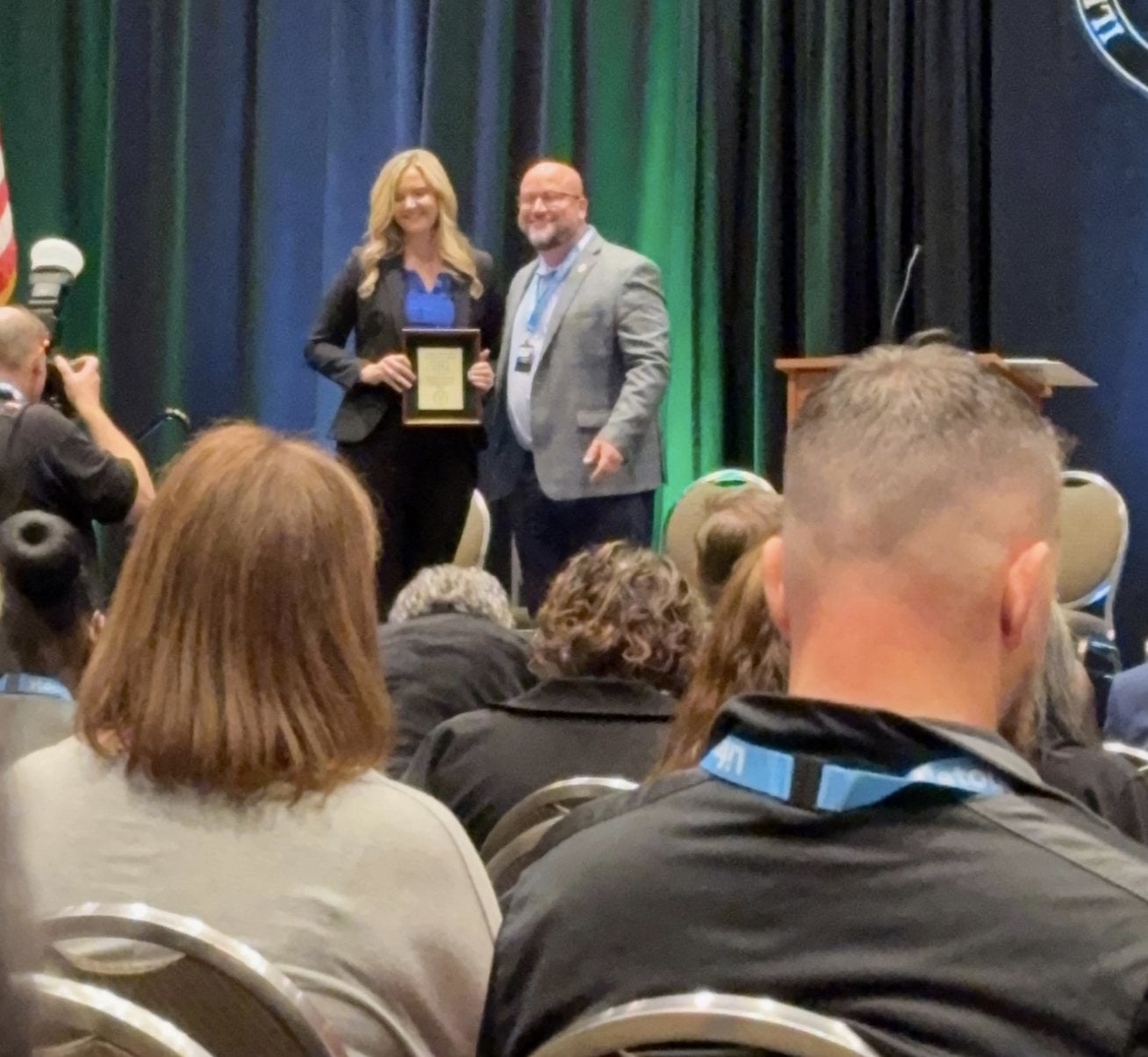
“For too many people, finding safe, stable and affordable housing is already an uphill battle,” said IDHR Director Jim Bennett. “No one should face additional barriers simply because they rely on a housing voucher or another lawful source of income to pay their rent. Source-of-income discrimination compounds an already difficult housing crisis, closing doors to people seeking stability for themselves and their families. This settlement sends a clear message that Illinois will not tolerate unlawful practices that make securing housing even harder. We remain committed to fair opportunity for folks to find and maintain a home, regardless of their lawful source of income.”
Get The Latest News!
Don't miss our top stories and need-to-know news everyday in your inbox.
Coldwell Banker LLC is one of the nation’s biggest real estate brokerages, with multiple branch offices in Illinois. One charge was filed by IDHR and seven were filed by Housing Rights Initiative (HRI), a nonprofit organization that conducts fair housing testing. In addition to the $120,000 settlement with the state, Coldwell Banker also agreed to pay HRI $105,000 to settle HRI’s charges. A separate charge filed by an individual was settled privately in a separate agreement.
IDHR’s department-initiated charge alleged that Coldwell Banker systemically discriminated against prospective tenants with Section 8 in Illinois based on their source of income and did not adequately supervise their real estate brokers to ensure that they did not engage in this type of unlawful discrimination. The charge alleged that Coldwell Banker agents had refused to show rental properties based on source of income and made statements to prospective tenants that the property owner would not accept a Section 8 voucher.
In addition to the monetary settlement, Coldwell Banker is agreeing to have all licensed agents, realtors and brokers at the four branch offices identified in the charges undergo fair housing trainings – over 400 agents in total. Coldwell Banker is also agreeing to establish a fair housing policy that specifically prohibits source-of-income discrimination in their Illinois offices, to display a fair housing statement and posters in these offices, and to designate a representative to assist in handling voucher-related issues in connection with rentals.
“Fair housing enforcement is about more than holding the real estate industry accountable. It’s about ensuring that every family has a fair shot at putting a roof over their heads,” said Aaron Carr, Founder and Executive Director of Housing Rights Initiative. “We do this work across the country, and as this settlement demonstrates, IDHR has set a national example for what it means to take housing discrimination seriously and enforce the law with resolve and vigor.”
The Illinois Human Rights Act was expanded to provide protection against discrimination related to source of income in the area of housing and real estate transactions, effective January 2023. In the Illinois Human Rights Act, Source of Income means “the lawful manner by which an individual supports himself or herself and his or her dependents.”
To learn more about common sources of income protected under the Illinois Human Rights Act, visit the Department’s Source of Income Discrimination FAQ.
Understand Your Rights and Responsibilities Under the Law
Illinois law prohibits housing discrimination based on parts of who you are - called “protected characteristics.” Those characteristics include:
Race · Color · Ancestry · National Origin · Disability (physical and mental) · Religion · Sex · Sexual Orientation (including gender identity) · Sexual Harassment · Age (40 and over) · Marital Status · Pregnancy (including childbirth and related conditions) · Reproductive Health Decisions · Military Status · Unfavorable Military Discharge · Order of Protection Status · Arrest Record · Familial Status · Immigration Status · Source of Income
These real-world examples can help you identify whether you have experienced unlawful treatment.
- Refusing to process, or delaying, a person’s application because they intend to use a Housing Choice Voucher
- Discouraging applicants with non-employment income from applying to rent
- Advertising or making statements such as “No Section 8” or similar limitations
- Screening out applicants receiving Social Security or other government assistance
- Rejecting applicants who cannot provide paystubs or W2 forms
To learn more about housing discrimination or to file a charge, please visit IDHR Housing Rightsg Rights.
About the Illinois Department of Human Rights (IDHR)
The Illinois Department of Human Rights (IDHR) enforces the Illinois Human Rights Act, which prohibits discrimination in connection with employment opportunities, housing and real estate transactions, access to financial credit, and the availability of public services and public accommodations, including educational institutions. Any Illinoisan who believes they have been a victim of discrimination can file a charge with IDHR within 2 years of the date of the incident (effective Jan. 1, 2025) or within one year of a housing violation. To file a charge with IDHR, call (877) 236-7703 or 7-1-1 for *TTY users or visit dhr.illinois.gov/filing-a-charge. You may also Contact Us for additional questions.
To learn more, follow IDHR on Facebook, X/Twitter, Instagram, Bluesky, and LinkedIn.
More like this:




- Most Popular

- Top Stories


- Most Recent