Letter To The Editor: Construction Projects Are Temporary. Construction Careers Are Not
LIUNA representative Randall L. Harris argues that project-based construction work can support decades-long careers and economic opportunity in Madison County.
 Letter To The Editor:
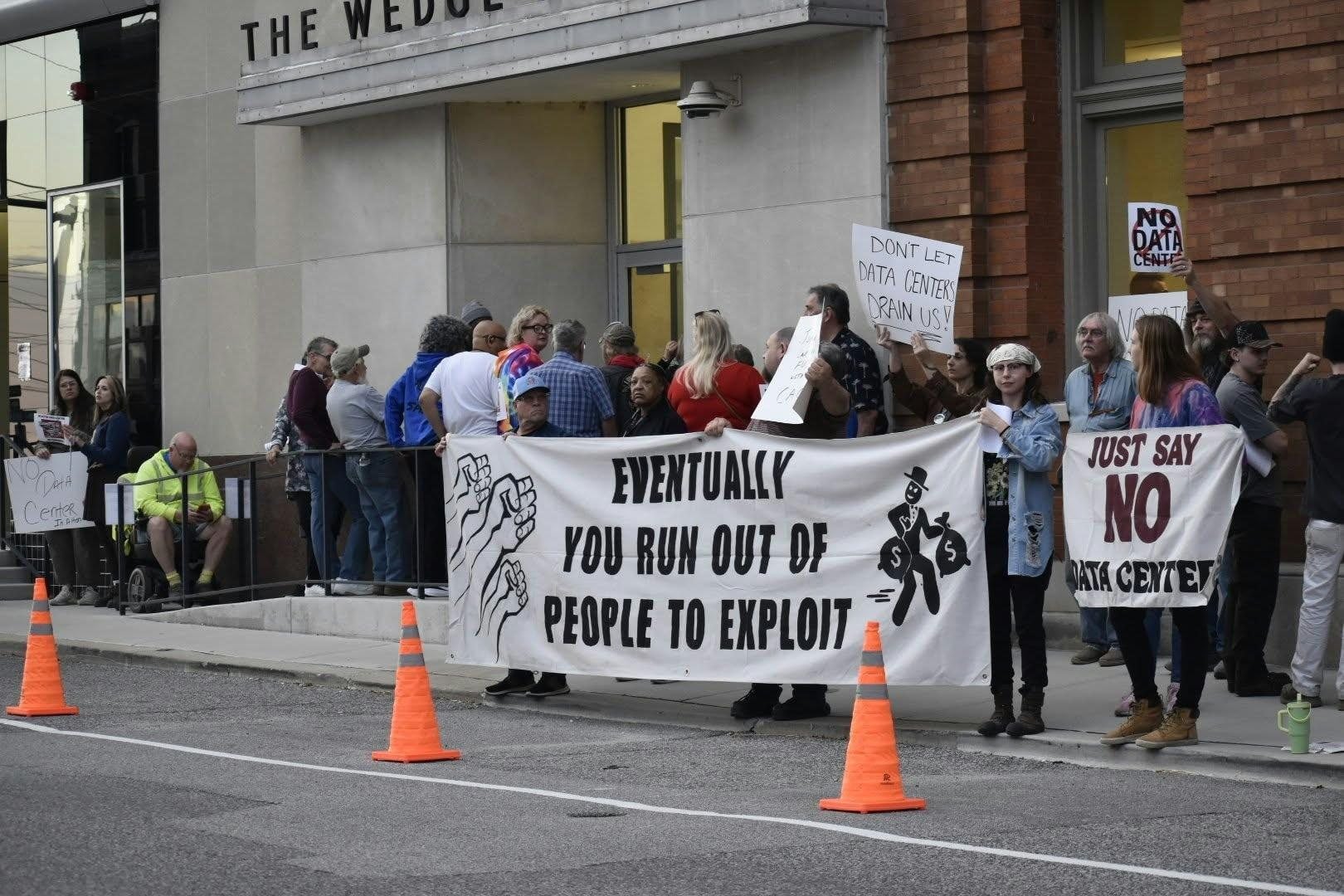
I read Kyle Nudo's recent letter regarding the proposed Riverbend Technology Center in Alton with interest. I believe our communities have every right to demand responsible development, environmental protections, transparency, and meaningful local economic benefits. Those questions deserve serious consideration, and the people who live here deserve clear answers.
Get The Latest News!
Don't miss our top stories and need-to-know news everyday in your inbox.
However, I take serious issue with Kyle’s suggestion that construction jobs, because they are temporary in nature, may not provide the lasting economic opportunities that sustain families and communities.
That argument reflects a fundamental misunderstanding of the construction industry, the men and women who make their living in it, and the role our local building trades have played in shaping this region.
Construction projects have a beginning and an end. Construction careers do not.
As a lifelong Madison County resident and a third-generation member of the Laborers' International Union of North America (LIUNA), this issue is both personal and professional to me. I've spent my career working to create opportunities for working men and women across the Midwest. I've seen firsthand what a career in the construction trades can mean for a worker, a family, and an entire community.
For generations, the skilled men and women of our local building trades have constructed the infrastructure that powers our economy and connects our communities.
Consider the Melvin Price Locks and Dam, the massive CORE expansion at the Wood River Refinery, the Clark Bridge in Alton, Prairie State Energy Campus, and the many energy, industrial, transportation, and renewable energy projects built throughout our region.
These projects represent billions of dollars in investment and countless hours of skilled work performed by construction professionals. They have transformed our regional economy, supported local businesses, strengthened our infrastructure, and provided opportunities that have changed the lives of generations of working families.
And every one of those construction projects eventually came to an end.
The careers didn't.
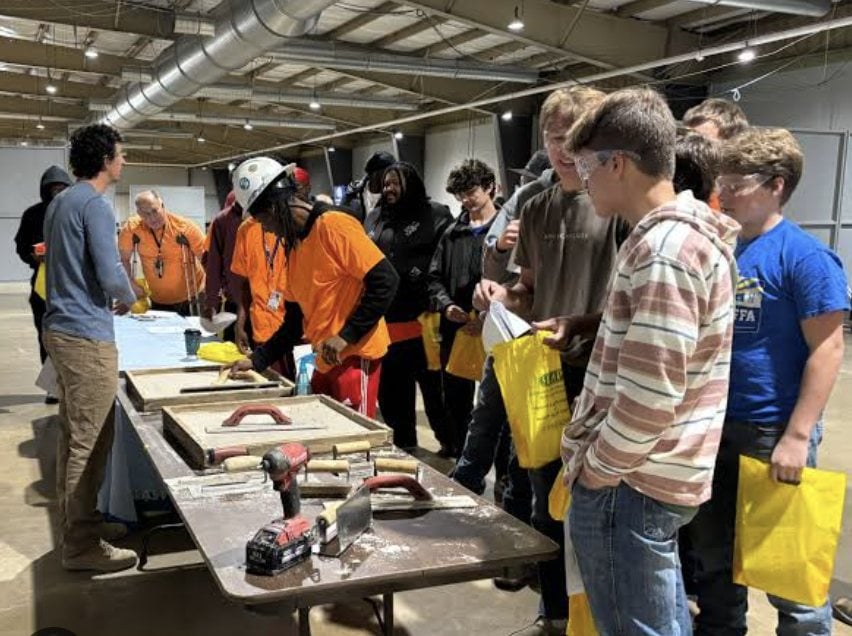
The Laborers, Operating Engineers, Ironworkers, Electricians, Pipefitters, Carpenters, and other skilled tradespeople who built those projects moved on to the next opportunity. Many spent their entire careers working across this region, raising families, buying homes, supporting local businesses, and building retirement security.
Their children and grandchildren are now following in their footsteps.
That's how the construction industry works, and it's how generations of working families in Madison County and throughout the Metro East have built good lives.
The union construction industry is specifically structured to support long-term careers in an inherently project-based business. Through collective bargaining, apprenticeship and training programs, and collectively bargained health and retirement benefits, skilled workers can establish careers spanning decades, even as employers, jobsites, and projects change.
These are not disposable jobs. They are skilled professions that have provided economic mobility and a pathway into the middle class for generations of American families.
That distinction is particularly relevant to the proposed Riverbend Technology Center.
The developer has publicly committed to constructing the project under a Project Labor Agreement (PLA). These agreements establish consistent labor standards across a construction project, including negotiated wages, benefits, and working conditions.
For workers, that commitment connects a major construction investment to established apprenticeship programs, skilled trades, and the opportunity to build lasting careers for workers in the Riverbend.
The specific terms of any agreement for the Riverbend Technology Center would need to be negotiated, but the developer's stated commitment is significant.
Mr. Nudo also compares construction employment to migrant labor, suggesting that workers arrive for a project and leave when the work is complete.
Certainly, major construction projects sometimes require skilled workers to travel. That has always been part of our industry. But it would be a mistake to confuse workforce mobility with economic insecurity or the absence of a meaningful career.
And it would be an even greater mistake to overlook the thousands of skilled tradespeople who already live in our communities and have spent their careers building the infrastructure all around us.
We don't have to speculate about whether major construction projects can create lasting economic opportunities. We can look at our own history.
The next generation of construction professionals deserves the same opportunities that previous generations found building our bridges, energy facilities, refineries, and industrial infrastructure.
As our economy evolves and new industries emerge, we should be working to expand those opportunities, strengthen workforce training, and ensure that local workers and communities share in the benefits of investment.
We can and should debate the merits of individual projects. But that debate should begin with an accurate understanding of the construction industry and the value of its workforce.
Construction projects are temporary. Construction careers are not.
Randall L. Harris International Representative and Midwest Region Chief of Staff Laborers' International Union of North America (LIUNA) Lifelong Madison County Resident
Opinions expressed in this section are solely those of the individual authors and do not represent the views of RiverBender.com or its affiliates. We provide a platform for community voices, but the responsibility for opinions rests with their authors.
More like this:

- Most Popular

- Top Stories


- Most Recent