This Day in Music History: Nov. 1, From Billboard’s Beginnings to Lasting Reinventions
From Billboard’s first issue in 1894 to landmark releases by George Harrison, Nirvana and the Cure, Nov. 1 marks milestones across music history.
This Day in Music History: Nov. 1, From Billboard’s Beginnings to Lasting Reinventions
Before it became a familiar measure of musical success, Billboard was a publication about putting advertisements on display. Its first issue, dated Nov. 1, 1894, began a publishing history that eventually became closely connected to the recording industry. On this date in music history, that modest beginning stands alongside artistic departures by George Harrison and Nirvana, a defining Elvis Presley comeback hit, country music honors and a long-awaited return by the Cure. The anniversary offers a reminder that music history includes both the people making records and the institutions helping audiences discover them.
Get The Latest News!
Don't miss our top stories and need-to-know news everyday in your inbox.
The publication initially called Billboard Advertising covered the bill-posting business, not a national ranking of hit songs. The University of Pennsylvania’s archive listing identifies its inaugural issue as Nov. 1, 1894, and documents its early monthly editions. In 1897, the title became The Billboard as its coverage shifted toward entertainment. That distinction matters: The magazine did not arrive fully formed as the music-industry publication later generations would recognize. Its evolution followed changes in the businesses competing for the public’s attention.
Billboard’s subsequent role in documenting popular music gives the anniversary significance beyond publishing. A trade journal that began with advertising became a record of the entertainment business itself. Its surviving issues allow readers to examine that transformation rather than rely only on retrospective accounts. The beginnings were commercial and practical, but the resulting archive became a resource for understanding how musical success was reported and remembered.
On Nov. 1, 1968, George Harrison released “Wonderwall Music” in Britain. The soundtrack to director Joe Massot’s film “Wonderwall” was the first solo album by a member of the Beatles and the first album released on Apple Records. American listeners received it Dec. 2. Those distinctions made the release an early demonstration that the Beatles’ new label could accommodate work outside the group’s own recordings.
Harrison’s first solo statement was a film score rather than a conventional collection of pop songs. The project gave his interest in Indian music a setting beyond an individual Beatles track, bringing that influence into a larger instrumental work. Its importance lies partly in that freedom: A musician known around the world as one-quarter of a band was developing a separate creative identity. “Wonderwall Music” marked a beginning, not a declaration that his work with the Beatles had ended.

On the Billboard Hot 100 dated Nov. 1, 1969, Presley reached No. 1 with “Suspicious Minds.” The achievement was more than another successful single. His official recording history identifies it as his first No. 1 hit in seven years, making the record a powerful confirmation of his renewed commercial standing. Written by Mark James, the song emerged from Presley’s Memphis sessions with producer Chips Moman.
The recording paired a troubled relationship narrative with a performance that built toward a dramatic finish. Presley’s official account also documents his support for recording the song when a publishing dispute threatened to derail it. The result placed artistic judgment at the center of a major career moment. Its success showed that his return to the top could rest on fresh material and a mature interpretation, not simply the appeal of earlier hits.
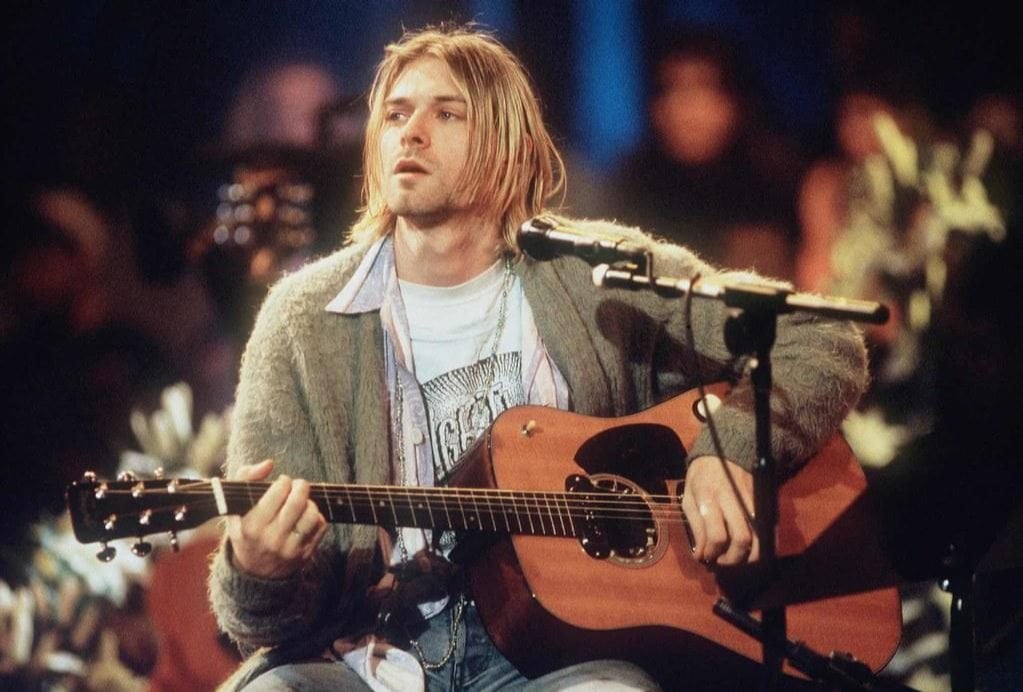
On Nov. 1, 1994, Nirvana released “MTV Unplugged in New York,” preserving an unusually restrained presentation of a band associated with amplified force. The album followed Kurt Cobain’s death earlier that year. Rather than offering a straightforward parade of the group’s biggest hits, the performance emphasized less obvious selections and songs by other artists. It became a different kind of introduction to Nirvana’s musical world.
Material associated with David Bowie, the Meat Puppets, the Vaselines and Lead Belly made the album a window into the band’s influences. The quieter setting also directed attention toward the songs and Cobain’s delivery. Its lasting significance was not simply that Nirvana played acoustically, but that a major rock act used a prominent platform to lead listeners toward music outside its own catalog.
Country music’s spotlight fell on Blake Shelton at the 46th annual Country Music Association Awards on Nov. 1, 2012. He won entertainer of the year and male vocalist of the year, while sharing the songwriting award for “Over You” with Miranda Lambert. The broadcast joined recognition of his broad public profile with an honor for a deeply personal song. Lambert had recorded “Over You,” which drew on the death of Shelton’s brother. The songwriting award made remembrance, rather than spectacle alone, central to the evening.
On Nov. 1, 2024, the Cure released “Songs of a Lost World,” its first album since 2008. That night, the band performed the record in full at London’s Troxy before 3,000 fans. After a 16-year gap between albums, the occasion placed new work at the center of the celebration. Like several earlier Nov. 1 milestones, it showed established musicians moving forward through a fresh release rather than relying solely on familiar songs.
More like this:


- Most Popular



- Top Stories


- Most Recent