

This Day in Music History: Oct. 31, From Motown to “Bohemian Rhapsody”
From the Supremes’ Motown breakthrough to Outkast’s “Stankonia,” Oct. 31 marks milestones in pop, rock and hip-hop.
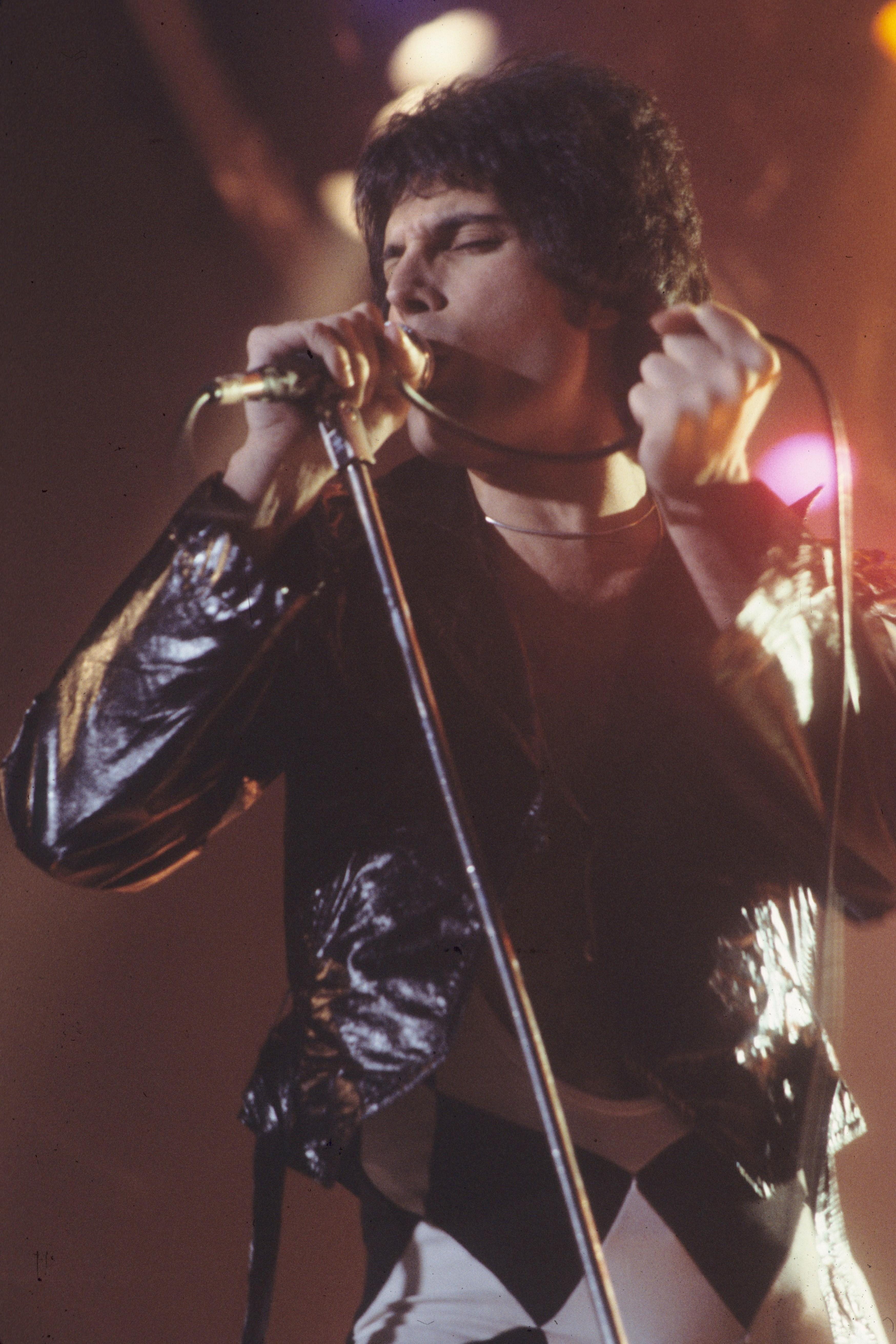
On Oct. 31, 1975, Queen released “Bohemian Rhapsody” in Britain, giving pop audiences a single that moved from intimate piano ballad to layered opera and hard rock. Its success made an unusually ambitious studio recording a mainstream phenomenon. Fifty-one years later, that release stands as a defining Oct. 31 milestone: a reminder that a hit song did not have to follow a familiar shape to reach a mass audience.
Get The Latest News!
Don't miss our top stories and need-to-know news everyday in your inbox.
The date’s musical history also traces the growth of Motown, the expanding possibilities of the rock album and the international reach of American vocal groups and Southern hip-hop. Moving chronologically through those milestones reveals different approaches to the same challenge: developing a distinctive sound without losing the connection between performer and listener.
On the Billboard Hot 100 dated Oct. 31, 1964, the Supremes reached No. 1 with “Baby Love.” Written by Brian Holland, Lamont Dozier and Eddie Holland and produced by Holland and Dozier, the recording stayed on top for four weeks. It followed “Where Did Our Love Go,” making the group’s breakthrough more than a one-record success. The second chart-topper helped establish the Supremes as a central act in Motown’s growing national presence.
Diana Ross, Mary Wilson and Florence Ballard brought a recognizable vocal identity to records built with exceptional attention to rhythm, melody and arrangement. “Baby Love” paired a light, inviting sound with a narrator’s unhappiness over a troubled relationship. That contrast gave the record emotional weight without sacrificing its immediate appeal. The Supremes’ success became an important part of the story of a Black-owned Detroit company reaching audiences far beyond its home city.
Six years later, the American album chart documented a different kind of expansion. For the week of Oct. 31, 1970, “Led Zeppelin III” reached No. 1, beginning four consecutive weeks at the summit. Its commercial reception showed that the band could retain a large audience while broadening the sound associated with its first two albums.
The record placed acoustic and folk-oriented music alongside the force of its heavier material. Rather than simply repeating an established formula, Led Zeppelin allowed contrasting textures to become part of its identity. Some contemporary criticism failed to appreciate that breadth, as guitarist Jimmy Page later observed. The album’s chart success did not settle questions of artistic value, but it demonstrated that musical experimentation and a substantial popular following could coexist.
That relationship between ambition and accessibility became especially clear with Queen’s Oct. 31, 1975, release of “Bohemian Rhapsody.” Written by Freddie Mercury, the nearly six-minute recording used elaborate vocal overdubbing to connect sharply different musical sections. Its construction made the recording studio essential to the finished performance, not merely a place to document musicians playing together.
The single went on to spend nine weeks at No. 1 in Britain during its original run, including Christmas 1975. Its theatrical scale was therefore not confined to an album track for committed fans; it became part of everyday popular listening. The result offered a striking example of listeners embracing complexity when the melodies, performances and dramatic momentum held together. Queen had turned an unconventional structure into a shared pop experience.
On the British singles chart dated Oct. 31, 1992, Boyz II Men reached No. 1 with “End of the Road.” The Motown release remained there for three weeks. Coming decades after the Supremes’ breakthrough, the achievement provided another chapter in the label’s history of bringing American vocal-group music to international audiences.
The Philadelphia group’s ballad also had an extraordinary American run, spending 13 weeks atop the Hot 100. Its success centered on an approach very different from Queen’s studio drama or Led Zeppelin’s instrumental contrasts: close harmonies and an emotionally direct performance. The record’s reach demonstrated the continuing commercial strength of the R&B vocal group, even as the broader pop landscape changed around it.
On Oct. 31, 2000, Outkast released “Stankonia,” its fourth studio album. André 3000 and Big Boi used the project to extend an already adventurous Atlanta sound, bringing rap into contact with funk, rock textures and a wide range of vocal approaches. Songs including “B.O.B.,” “Ms. Jackson” and “So Fresh, So Clean” gave the album distinct points of entry without reducing it to a single style.
“Stankonia” subsequently won the Grammy for best rap album in 2002. Its importance extended beyond that award: the project presented Southern hip-hop as a place for restless invention rather than a narrow regional category. Together, these Oct. 31 milestones show popular music advancing through both precision and risk — from Motown’s carefully shaped singles to recordings that pushed the boundaries of what a major release could contain.
More like this:




- Most Popular



- Top Stories


- Most Recent