
This Day in Music History: Nov. 4, From Beatlemania to Country-Pop
From Bob Dylan's intimate 1961 concert to Shania Twain's country-pop blockbuster, Nov. 4 marks a series of musical milestones.
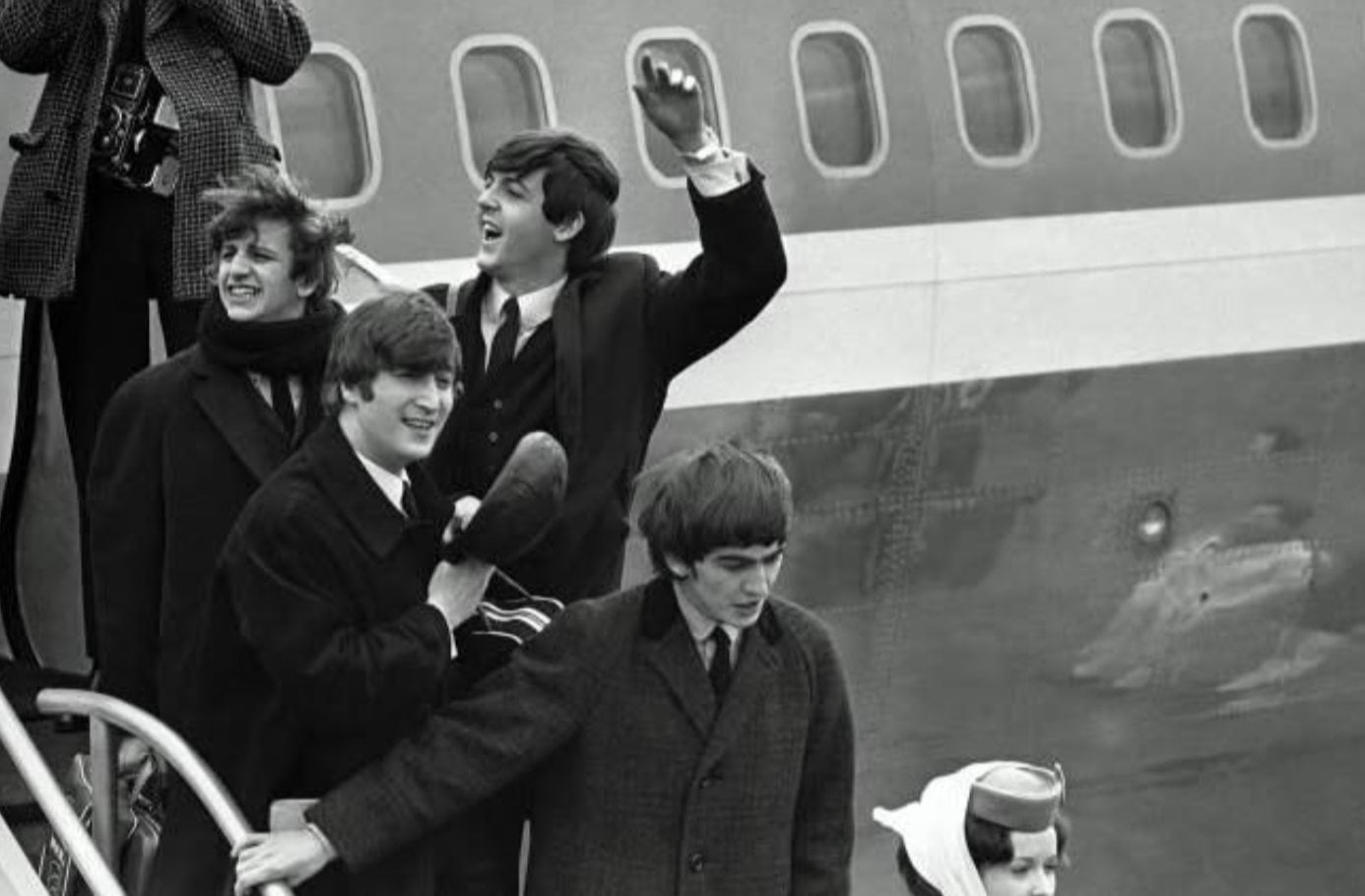 The Beatles brought Beatlemania into the presence of British royalty on Nov. 4, 1963, performing at London's Royal Variety Performance. The appearance placed a youthful rock 'n' roll phenomenon inside an established entertainment institution, with John Lennon's humor making the meeting especially memorable. It is a defining moment among the concerts, recordings and musical crossovers recalled this Nov. 4, 2026.
The day's earlier history offers a much quieter scene. On Nov. 4, 1961, Bob Dylan performed his first official solo concert at Carnegie Chapter Hall in New York. Organized by Folklore Center proprietor Izzy Young, the event drew just 53 people. The distinction between Chapter Hall and Carnegie Hall's main auditorium matters: This was an intimate early engagement, not the large-scale triumph that the famous building's name might suggest.
Get The Latest News!
Don't miss our top stories and need-to-know news everyday in your inbox.
Dylan's official archive lists songs including “Pretty Peggy-O,” “In the Pines,” “Gospel Plow,” “1913 Massacre” and “Fixin' to Die.” That repertoire places the performance within the folk revival's exchange of traditional songs, blues and socially conscious material. Rather than a program built around the original songs that would later define his reputation, the surviving set list documents a performer working through an inherited musical language. The modest turnout also provides a useful counterweight to hindsight: An important career can begin without an audience recognizing what lies ahead.
Two years later, the Beatles' Nov. 4 engagement at the Prince of Wales Theatre was anything but obscure. Queen Elizabeth the Queen Mother and Princess Margaret attended the 1963 Royal Variety Performance. Already major British stars, the Liverpool quartet performed “From Me to You,” “She Loves You,” “Till There Was You” and “Twist and Shout.” The selections brought together their own hit songwriting, a romantic standard and the exuberant rock 'n' roll that powered their stage act.
Before the final number, Lennon invited applause from people in the cheaper seats and suggested that the others rattle their jewelry. The joke gave the evening its enduring image: a young musician acknowledging the room's social distinctions without surrendering his personality. The performance did not launch Beatlemania, which was already sweeping Britain. It demonstrated how far the group had traveled into the country's cultural mainstream.
On Nov. 4, 1969, the Allman Brothers Band released its self-titled debut album. The seven-song recording introduced a group whose preparation depended heavily on playing together before entering the studio. In recollections published by band historian Alan Paul, drummer Jaimoe explained that the musicians had worked on the material from May through August, using audience reactions to judge what was ready and what needed attention.
Recorded in New York with producer Adrian Barber, the album was completed and mixed within two weeks. Its sessions included “Dreams,” “Trouble No More” and “It's Not My Cross to Bear.” The speed reflected an ensemble arriving with a developed musical identity rather than searching for one entirely in the studio. The debut captured that shared groundwork in a concise recorded statement.
On the Billboard Hot 100 dated Nov. 4, 1972, Johnny Nash's “I Can See Clearly Now” reached No. 1, beginning a four-week stay. Written and produced by Nash, the recording carried reggae-influenced rhythms and a message of renewed hope to the center of American pop radio. Its significance goes beyond a chart position: It was a major meeting point between American popular singing and Jamaican musical ideas.
Nash's career had already moved through ballads, soul and reggae. His work with Bob Marley included recording Marley compositions, helping connect the two musical worlds. “I Can See Clearly Now” made that exchange especially accessible, pairing its rhythmic character with a melody and outlook that required no familiarity with reggae to appreciate.
On Nov. 4, 1984, Prince and the Revolution opened the Purple Rain tour at Detroit's Joe Louis Arena. The album and film had already generated enormous demand. Detroit, Prince's strongest market outside Minnesota, became the starting point for translating that multimedia success into a sustained live event.
The opening engagement expanded to seven sold-out shows. That demand illustrates the scale of Prince's breakthrough: The concert audience was not merely following a successful record but seeking the live realization of a musical world established through both sound and film. Detroit's opening night marked the next stage of that achievement.
Finally, Shania Twain released “Come On Over” on Nov. 4, 1997. Its 16 tracks included “You're Still the One,” “From This Moment On,” “That Don't Impress Me Much” and “Man! I Feel Like a Woman!” Working with producer and songwriting partner Robert John “Mutt” Lange, Twain joined country storytelling to large pop choruses and polished arrangements.
The album's range made the crossover more than a matter of production. Romance, humor, independence and celebration could coexist within the same country-pop framework. Like several earlier Nov. 4 milestones, “Come On Over” showed how reaching a broader audience could involve expanding a musical identity rather than simply abandoning it.
More like this:



- Most Popular


- Top Stories
- Most Recent