
How Voting Traditions Changed—from Public Calls to Secret Ballots
From public voice votes to private booths and election-day rituals, voting customs reflect changing struggles over access, fairness and trust.
 For much of voting’s history, keeping your choice secret would have seemed strange. People raised their hands, shouted a candidate’s name, or stood where neighbors could count them. The private voting booth—a familiar symbol of democracy—is a relatively recent invention. Its arrival tells a larger story: voting traditions have changed as societies have argued over who deserves a voice, how choices should be counted, and whether voters can act freely.
Before Paper Ballots
Voting did not begin in one place or follow a single path. Communities developed different ways to make shared decisions, from public assemblies to councils that sought agreement rather than a simple majority.
Get The Latest News!
Don't miss our top stories and need-to-know news everyday in your inbox.
In Athens during the fifth and fourth centuries BCE, eligible citizens often voted in the assembly by raising their hands. But “citizen” had a narrow meaning. Women, enslaved people, and foreign residents could not participate.
Athenians also used objects to record certain choices. In a procedure called ostracism, voters scratched a person’s name onto a broken piece of pottery, known as an ostrakon. With enough participation, the person receiving the most votes could be sent away for ten years. It was not an ordinary election, but it shows how voting could serve as a check on powerful individuals.
Ancient Rome used assemblies to elect officials and pass laws. Yet votes were organized into groups whose structure often favored wealthier citizens. Written ballots introduced during the second century BCE made some choices more private, though they did not make the system equal.
These examples reveal an important distinction: having a vote does not necessarily mean having an equal voice.
Choosing Leaders Without a Modern Ballot
Not every political tradition centered on choosing between candidates. Some emphasized discussion, representation, and reaching agreement.
Within the Haudenosaunee Confederacy in North America, clan mothers have traditionally held authority to select and remove chiefs. Council deliberations emphasized consensus rather than a simple winner-takes-all count. This was a distinct political system, not an early version of a modern national election.
Elsewhere, communities selected leaders by acclamation: people openly expressed approval through calls or cheers. Similar customs survive when a meeting chair asks, “All in favor, say aye.”
Such methods work best when groups are small and participants can hear one another. They also create a problem that still matters: silence may mean agreement, uncertainty, or fear of speaking against the crowd.
When Voting Was a Public Performance
In Britain and parts of North America, elections were once noisy public events. Voters might announce their choices aloud before officials, candidates, and neighbors.
Election gatherings could include speeches, processions, food, and alcohol. Candidates sometimes provided refreshments to win goodwill, a practice known as “treating.” The line between hospitality and bribery could be thin.
Public voting made political loyalty visible. A landlord could learn how a tenant voted. An employer could watch a worker support the “wrong” candidate. Friends and relatives could apply pressure.
The expression “show of hands” still reflects this older world of visible choice. It remains useful for classroom decisions or neighborhood meetings. But when livelihoods or personal safety are at stake, openness can undermine freedom.
How the Secret Ballot Changed Elections
The modern secret ballot spread during the nineteenth century. Its best-known early model emerged in the Australian colonies of Victoria and South Australia in 1856.
The basic idea was straightforward: authorities supplied an official ballot, and voters marked it in private. This became known internationally as the Australian ballot.
Before such reforms, political parties in some countries printed and distributed their own ballots. Distinctive colors or designs could reveal a voter’s choice even without anyone reading the names.
Britain adopted the secret ballot for parliamentary elections in 1872. In the United States, adoption spread across states during the late nineteenth century.
Privacy made intimidation and vote buying harder, though it did not eliminate them. It also encouraged familiar features of elections: private booths, controlled ballot handling, and rules limiting campaigning near polling places.
That privacy remains a useful principle in daily life. When a workplace or club asks members to choose a leader, an anonymous ballot may produce a different result from a public show of hands.
The Long Fight Over Who Could Vote
Changes in voting methods often moved faster than changes in voting rights.
Property requirements once limited voting in many places. Race, sex, religion, and legal status also determined eligibility. Removing one restriction did not necessarily remove the others.
New Zealand became the first self-governing country to grant women the vote in parliamentary elections in 1893. Other countries followed on different timelines. Finland’s 1906 reform allowed women both to vote and to stand for parliament.
In the United States, the Nineteenth Amendment barred voting discrimination based on sex in 1920. Yet many Black women, like Black men, still faced discriminatory tests, intimidation, and other barriers. The Voting Rights Act of 1965 became a major tool against racial exclusion.
South Africa’s 1994 election marked its first national election with universal adult suffrage. Long lines of voters became a powerful image of political change.
These struggles explain why voting can feel ceremonial. For some families, casting a ballot honors rights that parents or grandparents were denied.
Election-Day Rituals Around the World
Voting customs often turn an administrative task into a shared public experience.
In Australia, where voting is compulsory for eligible enrolled citizens, community groups often sell “democracy sausages” near polling places. The food stall connects election day with fundraising and neighborhood life.
In India, election workers mark a voter’s finger with indelible ink to help prevent repeat voting. The mark also becomes a visible sign of participation. Similar ink is used in several other countries.
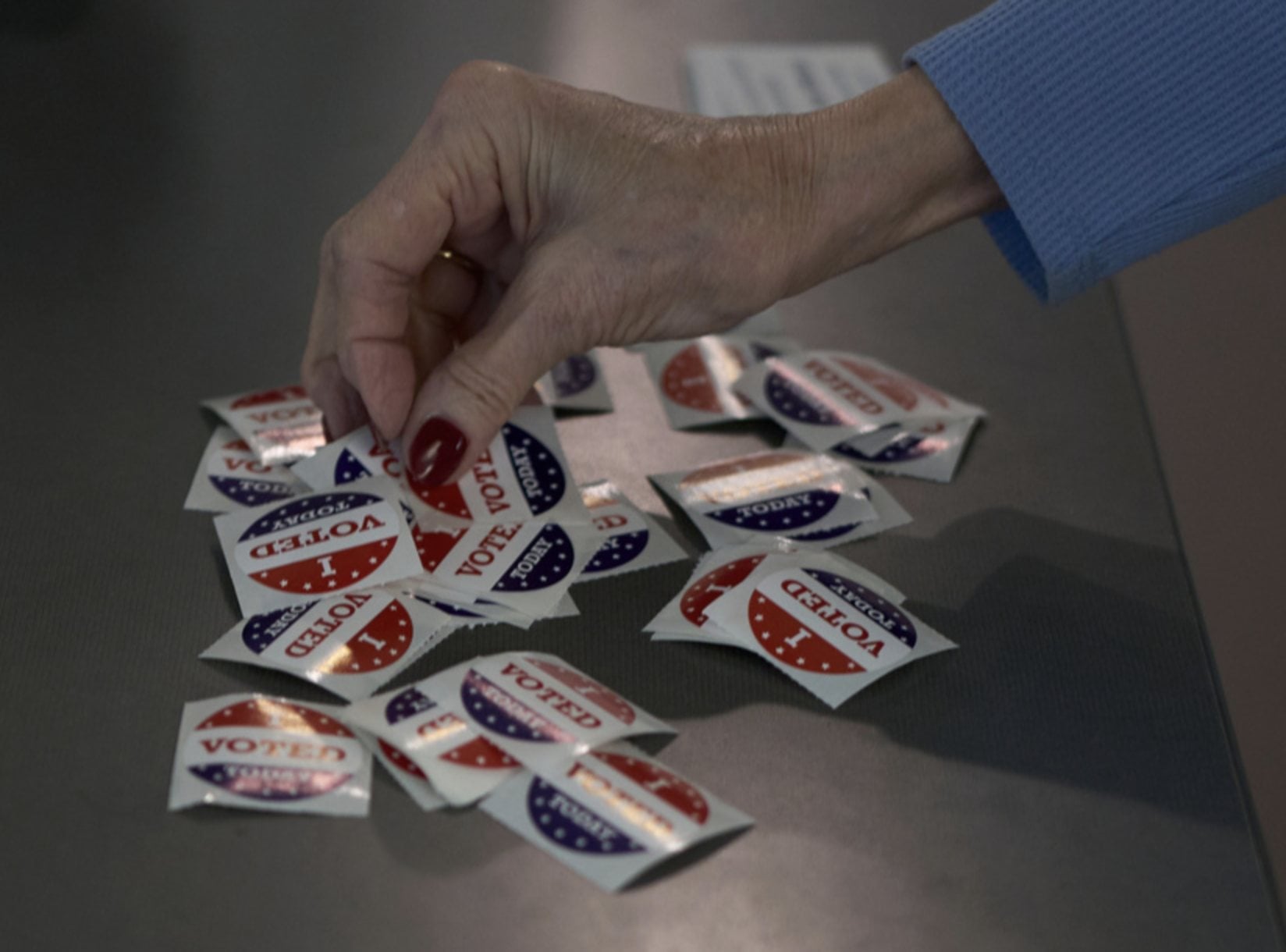
In parts of the United States, “I Voted” stickers serve a different purpose. They do not verify eligibility or secure ballots, but they allow people to display civic pride without revealing their choice.
Even the date of an election carries history. The United States’ federal November election schedule grew partly from a nineteenth-century farming and travel context. Modern debates about weekend voting, early voting, and mail ballots reflect a continuing question: how can voting fit ordinary people’s lives?
What Voting Traditions Can Tell Us
Small details reveal the values behind an election. A private booth protects independence. A translated ballot broadens access. A clear counting procedure helps people understand and check the result.
Traditions also need scrutiny. A familiar rule may once have solved a real problem but now create an unnecessary obstacle. Meanwhile, a convenient new method still needs safeguards for privacy, accuracy, and public trust.
The history of voting is not a simple march from raised hands to better machines. It is an ongoing effort to balance participation, fairness, and confidence in the outcome. Whether a voter receives an ink mark, a sticker, or no souvenir at all, the central promise is the same: a person’s choice should be freely made, fairly counted, and respected.
More like this:


- Most Popular


- Top Stories


- Most Recent