
This Day in Music History: Nov. 5, From Nat King Cole to ABBA
This date marks Nat King Cole’s groundbreaking 1956 network debut, chart and album milestones, and ABBA’s 2021 return to recording.
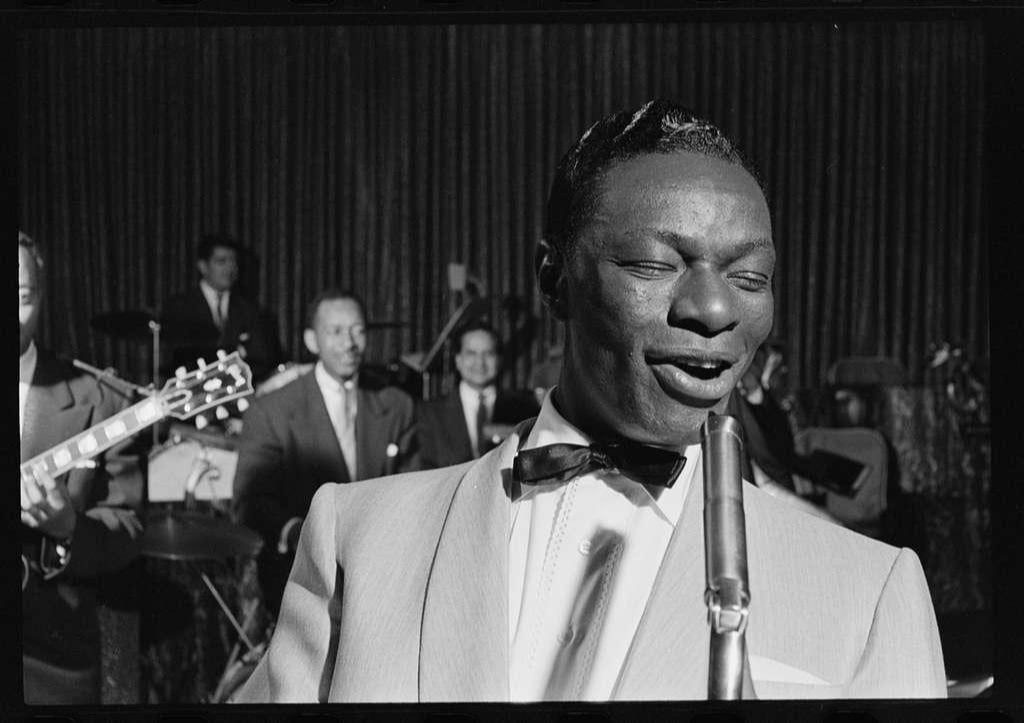
Seventy years ago, on Nov. 5, 1956, Nat King Cole stepped into a role that challenged American television’s racial barriers. NBC premiered “The Nat King Cole Show,” giving a Black musician his own national network musical variety program. The debut offered something more consequential than another place to hear a popular singer: It placed a Black entertainer at the center of the broadcast, as its host and defining personality.
Get The Latest News!
Don't miss our top stories and need-to-know news everyday in your inbox.
Looking back on Nov. 5, 2026, that broadcast stands out among the date’s musical milestones. The program initially occupied just 15 minutes, with Cole singing and playing piano. His background in jazz remained part of the presentation, even as he performed the Broadway and popular standards that had helped establish his wider audience. Rather than appearing only as someone else’s guest, Cole welcomed viewers into a show built around his own musicianship.
The series later expanded to a half-hour and featured guests including Ella Fitzgerald, Mahalia Jackson, Peggy Lee and Tony Bennett. Yet its artistic strength could not overcome advertisers’ reluctance to support it. Major national sponsors feared a backlash, particularly in the South. The contrast remains central to the show’s history: Network television could recognize Cole’s talent while the advertising business resisted backing his place on the screen.
A decade later, television and recorded music intersected in a different way. On the Billboard Hot 100 dated Nov. 5, 1966, the Monkees reached No. 1 with “Last Train to Clarksville.” Their first single had become their first chart-topper, establishing the group as a recording success rather than merely a television attraction. The chart achievement is documented in Billboard’s contemporary listing and the group’s record-label history.
Tommy Boyce and Bobby Hart wrote the song, which was recorded July 25, 1966, at RCA Victor Studio B in Hollywood and released Aug. 16. That short interval between recording and release shows the speed of the operation surrounding the group. Within months, the record had reached the top of the country’s leading singles chart.
The milestone also illustrates why a debut single can matter beyond its initial popularity. “Last Train to Clarksville” supplied an immediate musical identity for an unfamiliar act. Whatever listeners knew about the television project, the record gave them a song to recognize on its own. Its rise to No. 1 made that first release a defining event in the Monkees’ recording career.

On Nov. 5, 1971, Elton John released “Madman Across the Water” in the United Kingdom. His fourth studio album included “Tiny Dancer,” “Levon” and the title track, bringing together piano-led songwriting, a broad cast of studio musicians and orchestral arrangements by Paul Buckmaster. The American release followed Nov. 15, an important distinction when marking the album’s anniversary.
The sessions also introduced a significant collaborator. Guitarist Davey Johnstone first worked on an Elton John album during the recording of “Madman Across the Water.” Producer Gus Dudgeon brought him in to tackle the title song’s acoustic guitar introduction. Johnstone’s contributions impressed John, and the session helped lead to a long-running place in his band.
The album’s reception was not identical on both sides of the Atlantic: It reached No. 41 in Britain and No. 8 in the United States. Its lasting importance, however, extends beyond those original positions. The recording preserved a developing partnership and an expansive approach to arranging songs, with guitar, piano, voices and orchestra sharing space rather than simply supporting a singer at the keyboard.
Johnny Cash opened another chapter on Nov. 5, 1996, with the release of “Unchained,” the second album in his American Recordings series with producer Rick Rubin. Cash was backed by Tom Petty and the Heartbreakers, Marty Stuart and other guests. The combination connected his established country identity with musicians and material that reached across genre boundaries.
The track list placed “Rusty Cage,” “Southern Accents” and “Rowboat” alongside new versions of Cash’s “Country Boy” and “Mean Eyed Cat.” The album’s range was part of its significance: Older material and less expected selections belonged within the same project. “Unchained” subsequently won best country album at the Grammy Awards on Feb. 25, 1998, giving the collaboration a major institutional endorsement.
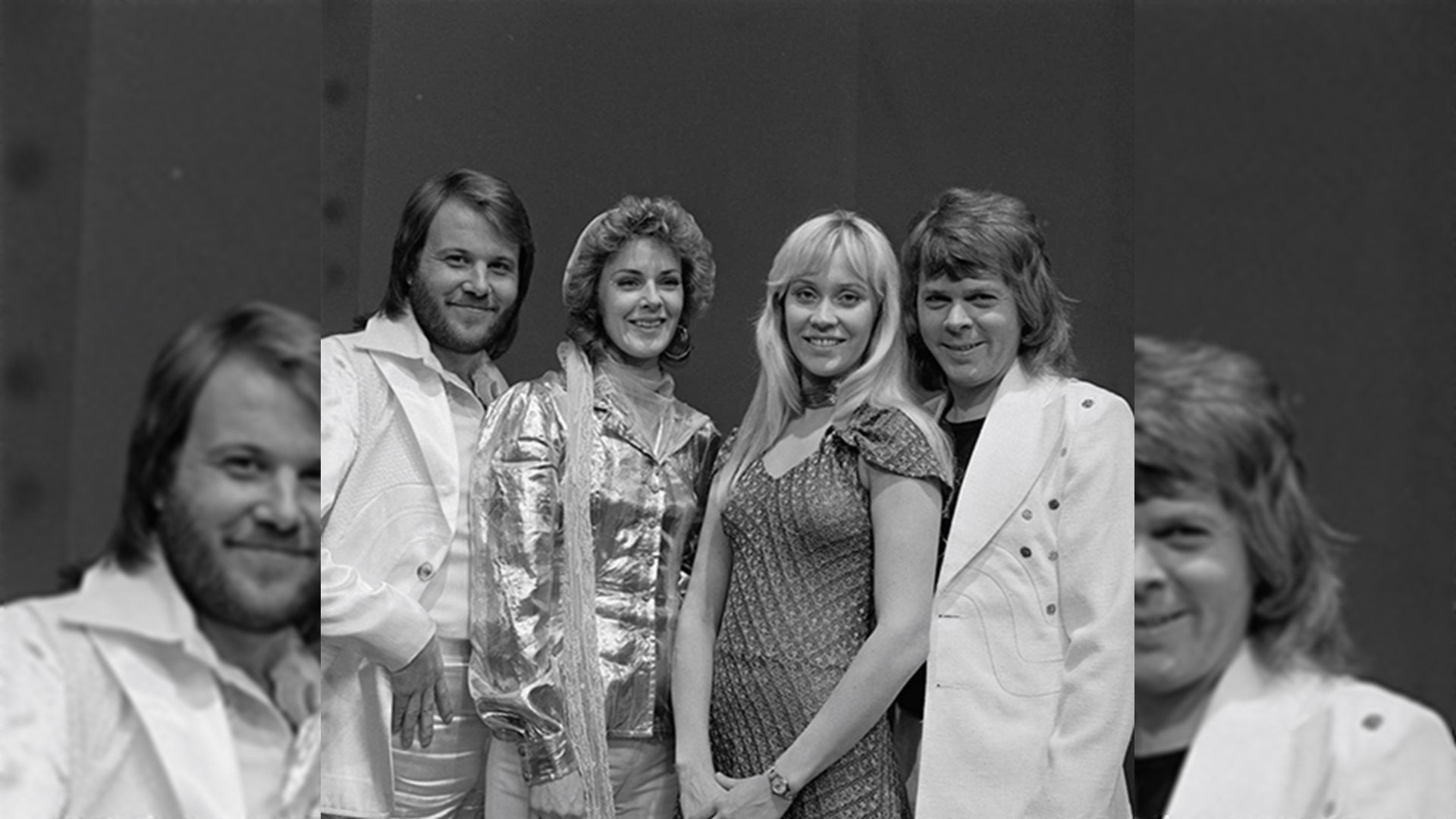
Finally, on Nov. 5, 2021, ABBA released “Voyage,” its ninth studio album and first in nearly 40 years. Agnetha Fältskog, Björn Ulvaeus, Benny Andersson and Anni-Frid Lyngstad returned to recording together, making the anniversary a reminder that a group’s history need not end with its original run of albums.
The four recorded the album’s 10 songs over a four-year period at Andersson’s Stockholm studio. They included “I Still Have Faith in You” and “Don’t Shut Me Down.” The recording reunion grew alongside the development of the ABBA Voyage concert, which combined digital versions of the performers with a live band. The album arrived first; the London concert opened May 27, 2022. From Cole’s network debut to ABBA’s studio return, Nov. 5 marks several distinct ways musicians have found a new setting for their work.
More like this:




- Most Popular



- Top Stories


- Most Recent