


This Day in Music History: Judy Garland, Led Zeppelin IV, Queen and 8 Mile
The Nov. 8 milestones span Led Zeppelin’s landmark fourth album, Queen’s breakthrough, Metallica’s new lineup and Eminem’s Oscar-winning “Lose Yourself.”
Fifty-five years ago, on Nov. 8, 1971, Led Zeppelin released an album without an official title that became a defining statement of rock ambition. Commonly called “Led Zeppelin IV,” it brought together “Stairway to Heaven,” “Black Dog” and “Rock and Roll,” helping establish a lasting model for albums that could be both musically adventurous and widely popular. Its anniversary anchors a date that also connects concert traditions, theatrical rock, country music and hip-hop’s reach into film.
Get The Latest News!
Don't miss our top stories and need-to-know news everyday in your inbox.
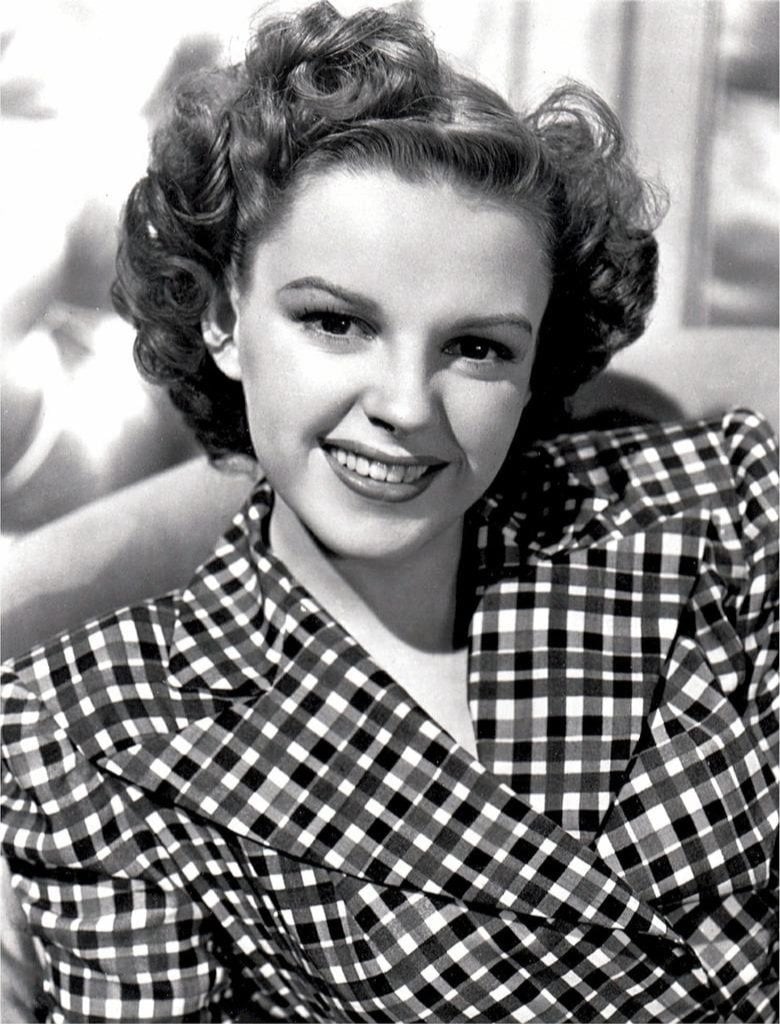
The story begins earlier, on Nov. 8, 1964, when Judy Garland and her daughter, Liza Minnelli, performed together at the London Palladium. The engagement paired an established star with a young performer developing her own identity. Minnelli later revisited the experience in liner notes for a 50th-anniversary edition of their concert album, describing how the collaboration came about. The performances took place on two Sundays, Nov. 8 and Nov. 15, rather than being a single isolated appearance.
Recordings from those concerts became “Live at the London Palladium,” preserving the mother-daughter partnership beyond the theater. The album’s mixture of solos and shared numbers gave listeners a way to hear the performers separately as well as together. Its significance rests in that musical exchange: Two generations of entertainers shared a concert format built around singing, personality and direct contact with an audience. For Minnelli, the recording also preserved an early chapter of a career that would develop well beyond her family connection.
On Nov. 8, 1971, Led Zeppelin’s fourth album offered a very different kind of performance space. Much of its basic recording took place at Headley Grange, a country house in Hampshire, England, using the Rolling Stones’ mobile recording equipment. Engineer Andy Johns helped capture a band whose sound could accommodate acoustic passages as well as forceful electric arrangements. The setting was part of a recording process that moved beyond a conventional studio without abandoning studio experimentation.
The finished record’s range helped explain its enduring appeal. “Stairway to Heaven” stood alongside the hard-driving “Black Dog” and “Rock and Roll,” while Sandy Denny joined Robert Plant on “The Battle of Evermore.” Pianist Ian Stewart also contributed to “Rock and Roll.” Those contrasting approaches made the album more than a showcase for volume. It became the band’s best-selling album in the United States and was inducted into the Grammy Hall of Fame in 1999, recognition of a musical legacy that outlasted its initial commercial success.
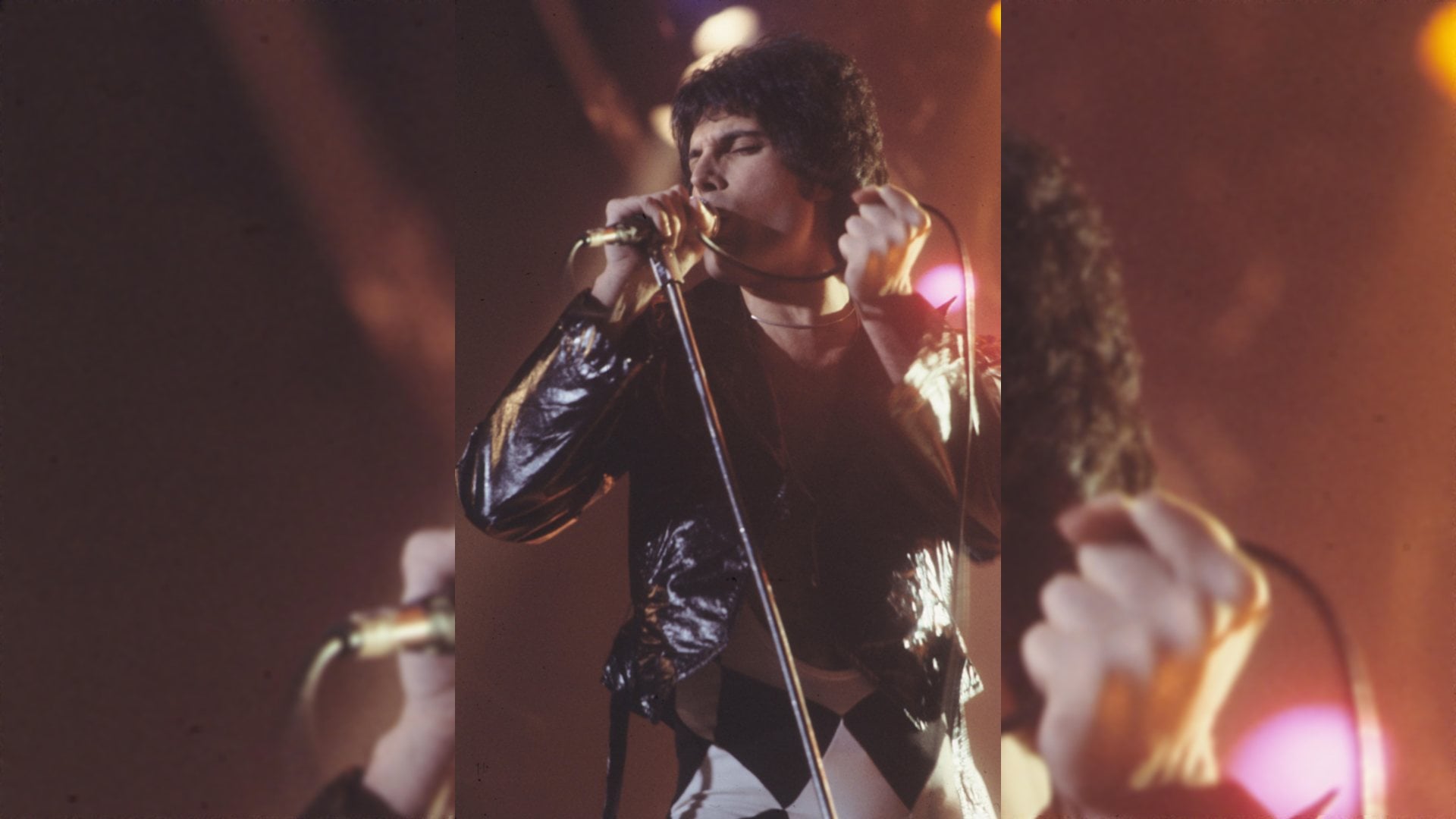
Three years later, on Nov. 8, 1974, Queen released its third album, “Sheer Heart Attack.” The record advanced the group’s combination of hard rock, elaborate vocals and theatrical presentation. “Killer Queen,” “Brighton Rock,” “Now I’m Here” and “Stone Cold Crazy” helped give the album its striking variety. Rather than settle on one consistent texture, Queen used the album to move between tightly shaped pop songs and heavier material, with studio production serving as part of the musical identity.
That approach brought a substantial breakthrough. “Sheer Heart Attack” reached No. 2 on the British albums chart and became Queen’s first album to enter the U.S. Top 20. The achievement mattered because the group’s detailed, sometimes extravagant arrangements were finding an audience beyond its earlier following. The album demonstrated that theatrical polish and hard-rock force did not have to compete; Queen could make both elements central to its sound.
On Nov. 8, 1986, Metallica played its first concert with bassist Jason Newsted at the Country Club in Reseda, California. The performance followed the death of Cliff Burton in a tour bus crash in Sweden on Sept. 27. Newsted, recruited from Flotsam and Jetsam, joined a band confronting both personal loss and the practical question of whether it could continue. The small-club appearance marked the beginning of that next stage.
The set included “Master of Puppets,” “For Whom the Bell Tolls” and “Welcome Home (Sanitarium),” connecting the new lineup directly to the music already defining the band. Recordings from the show later appeared in Metallica’s expanded “Master of Puppets” release. Their preservation gives the concert a place in the band’s recorded history as well as its touring chronology: It documents a major transition through the work of performing familiar material together.
Country music supplied another kind of recognition on Nov. 8, 1997, when Johnny Paycheck became a Grand Ole Opry member. More than 30 years after his first Opry appearance, the singer associated with “Take This Job and Shove It” received one of the institution’s defining honors. His career also included songwriting, notably “Apartment #9,” recorded by Tammy Wynette. Membership acknowledged a body of work broader than the defiant anthem that remained his best-known calling card.
Finally, on Nov. 8, 2002, “8 Mile” opened in U.S. theaters, with Eminem playing aspiring Detroit rapper Jimmy Smith Jr. Directed by Curtis Hanson, the film made rap battles and the struggle to develop a voice central to its drama. Its musical impact extended beyond the screen: “Lose Yourself” won the Academy Award for original song in 2003, with music credited to Eminem, Jeff Bass and Luis Resto and lyrics to Eminem. It was the first hip-hop song to win the award, turning a film about earning recognition into a landmark of recognition for the genre itself.
More like this:


- Most Popular



- Top Stories


- Most Recent


