

Burn Specialist Warns of Fall Backyard Fire Risks
A burn specialist at OSF HealthCare Saint Anthony Medical Center warns that accelerants can ignite clothing and send flames toward people tending outdoor fires.
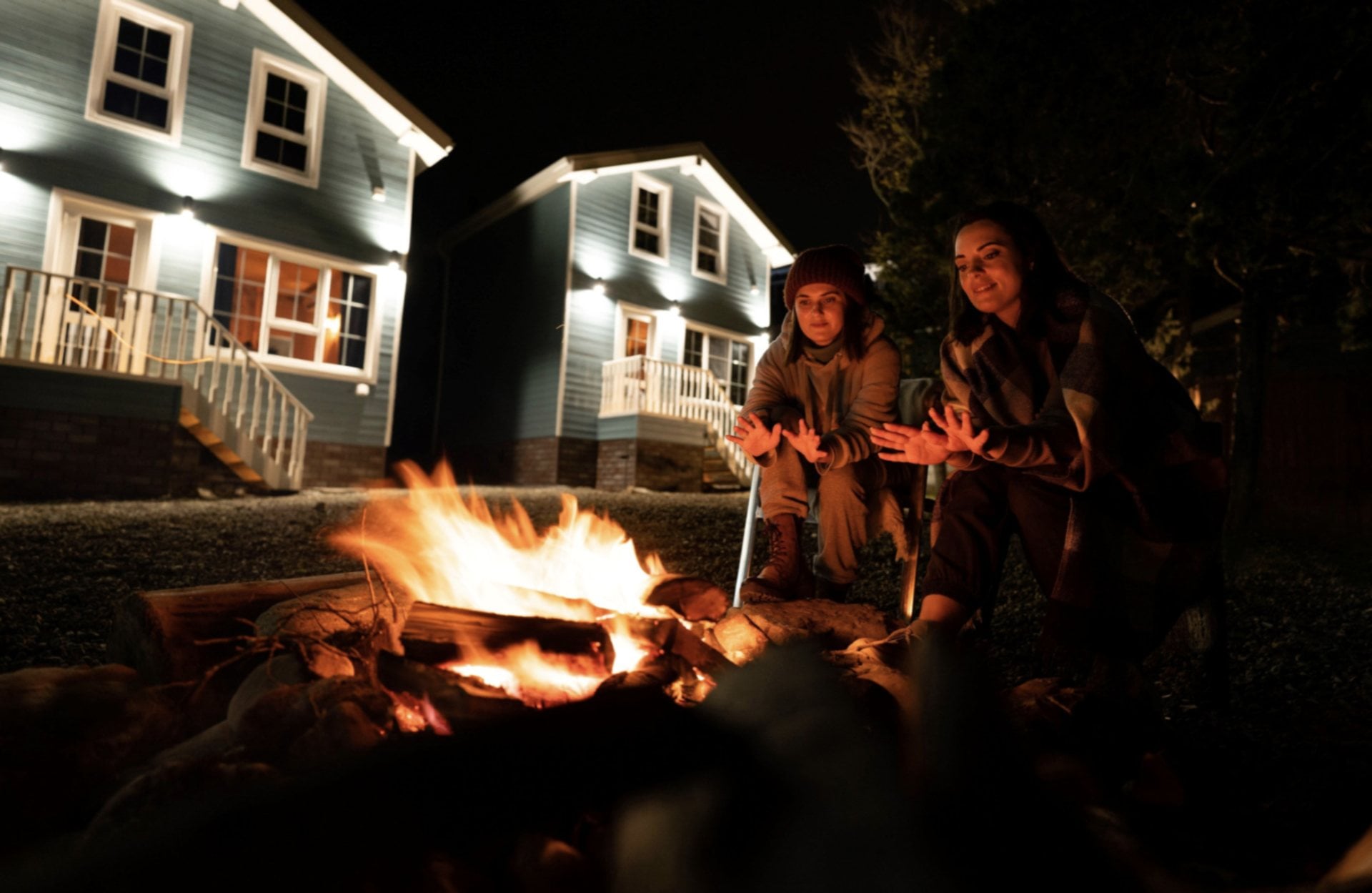 As fall quickly barrels on through, winter will be here before you know it. Outdoor enthusiasts are starting to enjoy warm bonfires and the tedious chore of burning yard waste.
If you’re thinking about having an outdoor fire, whether it’s a backyard campfire or you’re burning yard debris, safety is a must. So is having a plan in case of any potential burn injuries. Make sure to check with your local fire departments for rules and regulations before you do anything else.
Get The Latest News!
Don't miss our top stories and need-to-know news everyday in your inbox.
“The huge risk is you don't know the weather patterns, and as the weather changes, a fire you think you have under control becomes out of control quickly,” says Stathis Poulakidas, MD, the medical director of the burn center at OSF HealthCare Saint Anthony Medical Center in Rockford, Illinois.
Burning brush can be even more dangerous if you use an accelerant.
“Those have a risk of exploding very quickly and catching the individuals on fire,” says Dr. Poulakidas. “They might have some of the gasoline, whether it be diesel or regular old gas, on their clothing, and then they catch fire as they're lighting these fires.”
Dr. Poulakidas has seen many injuries over the years resulting from accidental incidents involving fires started around the home.
“The majority of what we see is lower extremity burns. They will have gasoline on their pant leg, or the fire will jump to their pant leg as they're close to the fire,” he says. “While most are lower extremity burns, we’ll see it on their hands, arms and face, as the fire, when you're using accelerants, splashes back at them as things explode.”
If your clothes catch on fire, it’s important to remember the fire safety technique – stop, drop and roll. Especially if you’re alone. And remember to use your safety plan. Keep a bucket of water or running hose readily available to extinguish flames on your clothing and body. And always carry a cellphone to call 9-1-1 in an emergency.
“That's going to minimize your burn,” explains Dr. Poulakidas. “There are risks when you stop drop and roll, especially if you're on a farm and there's animal feces or dirt, it can put you at risk for wound infection. But we'd rather address that, instead of dealing with a much larger burn.”
Many injuries happen to older people, especially in rural areas, Dr. Poulakidas says. “It tends to be our elderly farmers and people that can't get away from a fire as quickly. Make sure that there are multiple levels of people around so that if somebody does get injured, there is somebody that can call 9-1-1, and administer care right away.”
Rather than take a chance of injuring yourself, Dr. Poulakidas says there are other options to burning yard debris such as composting. Or move the debris to the curb on garbage day and let the professionals take it from there.

"If it's garbage, I would say, pay the old-fashioned garbage truck to come and get the trash,” he says. “Communities are very good at accumulating the leaves in the front lawn and having those taken away by the appropriate personnel. I think there are better ways than feeling like you’re backed in a corner and have to burn your leaves or trash.”
The Office of the Illinois State Fire Marshal states that fire pits should be at least 10 feet away from your home or anything flammable. This can vary from county to county. Make sure to check for any statewide burn ban that would make recreational fires temporarily illegal.
Before you burn yard debris or host a bonfire:
· Check local fire regulations and weather conditions.
· Never burn on windy days — sparks can travel fast and far.
· Clear a safe perimeter (at least 10-15 feet) around the fire site.
· Keep bonfires 25 feet away from structures.
· Keep water, shovels and fire extinguishers nearby.
· Don’t use gasoline or flammable liquids (accelerants).
· Never leave a fire unattended.
· Make sure the fire is completely out and cold to the touch.
More like this:





- Most Popular



- Top Stories

- Most Recent