Nov. 17 in Music History: Whitney Houston’s ‘Bodyguard’ Soundtrack Arrives
This date also marks releases by John Lennon and Yoko Ono, Garth Brooks, the Offspring and the Beatles.
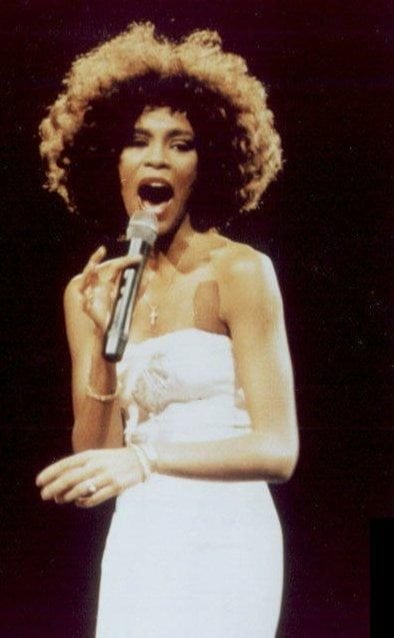
Whitney Houston helped turn a movie soundtrack into a defining pop event when “The Bodyguard” album arrived Nov. 17, 1992. Her recording of “I Will Always Love You” brought Dolly Parton’s songwriting to an enormous new audience, while the album gave Houston a showcase that crossed pop, R&B and film. The project would earn the Grammy for album of the year, making this date an important anniversary in the career of one of popular music’s most celebrated voices.
Get The Latest News!
Don't miss our top stories and need-to-know news everyday in your inbox.
For Nov. 17, 2026, that release anchors a look back at five recording milestones. Moving chronologically from John Lennon and Yoko Ono’s return to recording through a fresh presentation of the Beatles’ final album, the date offers several examples of artists finding new ways to frame their music. These were not simply collections of songs: Their formats, collaborators and production choices helped determine what listeners heard.
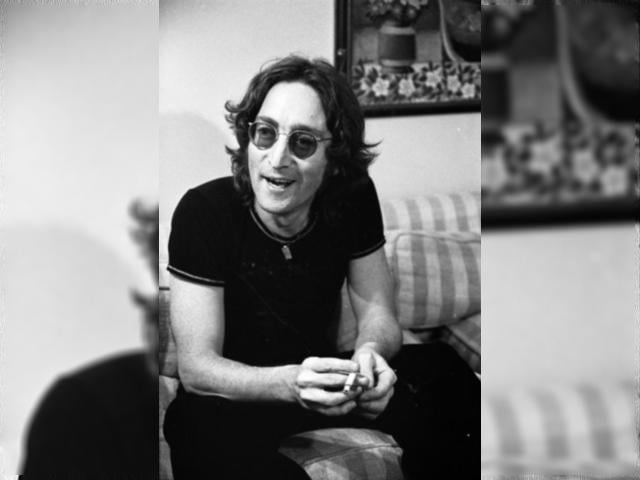
On Nov. 17, 1980, Lennon and Ono released “Double Fantasy” in the United States and Britain. The album followed Lennon’s five-year retreat from the recording business, a period devoted largely to home life and raising their son, Sean. Rather than treating Ono’s contributions as an addition to a Lennon solo record, the couple built the album around alternating perspectives, presenting songs about affection, conflict, parenthood and commitment as parts of a conversation.
Produced by Lennon, Ono and Jack Douglas, the record included “(Just Like) Starting Over,” “Woman” and “Beautiful Boy (Darling Boy),” alongside Ono songs including “Kiss Kiss Kiss” and “I’m Moving On.” Its importance lay partly in its subject matter: A musician closely identified with youth and rebellion was addressing the complicated responsibilities of adult life. The album offered a return without pretending that the years away had not changed its creators.
Twelve years later, Houston’s “The Bodyguard” soundtrack reached stores. She recorded six songs for the project and served as a co-executive producer, giving her a creative role beyond performing its signature ballad. The accompanying movie was her feature film acting debut, but the soundtrack also stood as a major musical statement in its own right.
“I Will Always Love You” eventually spent 14 weeks atop the Billboard Hot 100. The soundtrack’s later Grammy recognition included album of the year, while the single won record of the year. Those achievements reflected the reach of a project that placed a Black female vocalist at the center of an international film-and-music phenomenon. Houston’s interpretation also demonstrated how a song could move between country and pop through the distinctive choices of a new singer.
On Nov. 17, 1998, Garth Brooks released “Double Live,” bringing his concert performances into homes on a two-disc album. The collection paired high-energy material with reflective songs, including “Unanswered Prayers” and “The Dance.” Extended versions of “The Thunder Rolls” and “Friends in Low Places” made the package more than a straightforward reproduction of familiar studio recordings.
The album debuted at No. 1 on both Billboard’s overall album chart and its country album chart, remaining atop the overall ranking for five weeks. Its success showed the commercial strength of Brooks’ concert audience and the appeal of hearing that audience participate. The live setting was central to the record’s identity: Crowd voices and the exchange between singer and listeners became part of the musical experience, rather than background noise to be removed.
That same day, the Offspring released “Americana” in the United States through Columbia Records. Contemporary release notices identified it as the California punk band’s fifth album. Its lead single, “Pretty Fly (for a White Guy),” used comedy to mock suburban posturing, placing a sharply drawn character inside an immediately accessible rock song.
The contrast with Brooks was striking: One release emphasized a country superstar’s relationship with his audience, while the other turned a skeptical eye toward popular culture. Contemporary reviewers heard both the Offspring’s familiar thick guitars and its taste for social satire. “Americana” made humor a vehicle for criticism, showing how punk-derived music could address a broad audience without abandoning its interest in the contradictions of everyday American life.
On Nov. 17, 2003, the Beatles released “Let It Be... Naked,” revisiting recordings whose original concept had emphasized playing together without elaborate studio additions. Phil Spector had reworked the material before the original “Let It Be” appeared in 1970. The later edition offered a stripped-down alternative intended to bring listeners closer to the earlier performance-centered idea.
The release mattered as a reconsideration, not a reunion or a newly recorded Beatles album. It invited listeners to compare how production shapes their understanding of familiar performances. Where “Double Live” preserved the presence of a crowd, “Let It Be... Naked” focused attention on the musicians themselves. Together, these Nov. 17 anniversaries show that music history is shaped not only by what artists perform, but also by how those performances reach the public.
More like this:



- Most Popular


- Top Stories


- Most Recent