

Slusser: County Faces Fiscal Strength, Financial Stability
Madison County financial discipline keeps county debt-free while strengthening its financial reserves.
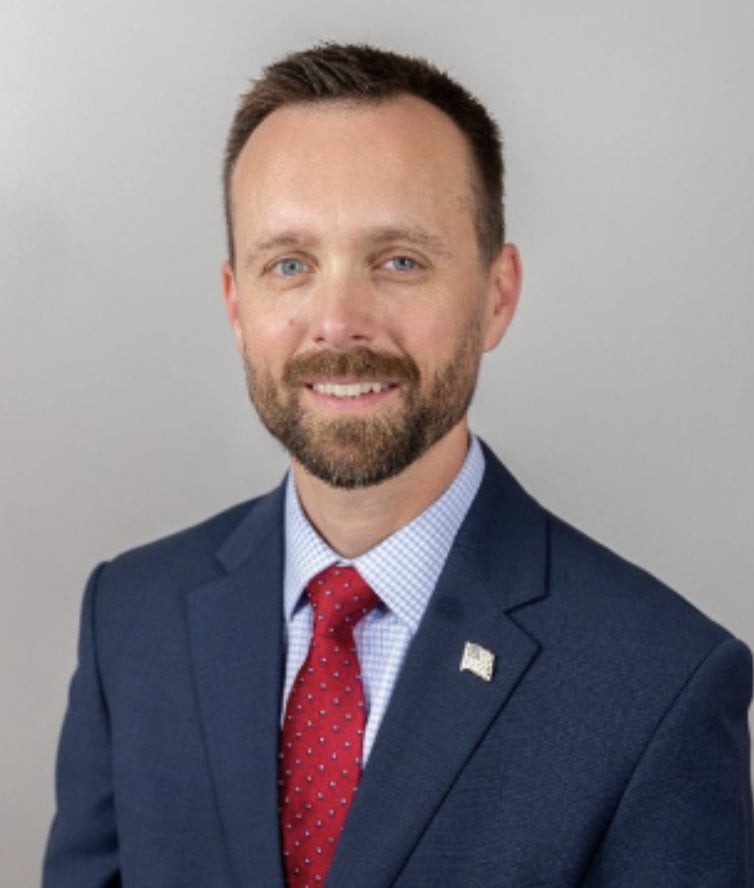
EDWARDSVILLE — Madison County’s 2027 budget maintains its property tax levy for the 12th consecutive year of no increases while prioritizing infrastructure, public safety and debt-free operations.
Get The Latest News!
Don't miss our top stories and need-to-know news everyday in your inbox.
The County Board unanimously voted to approve the budget and property tax levy on Wednesday.
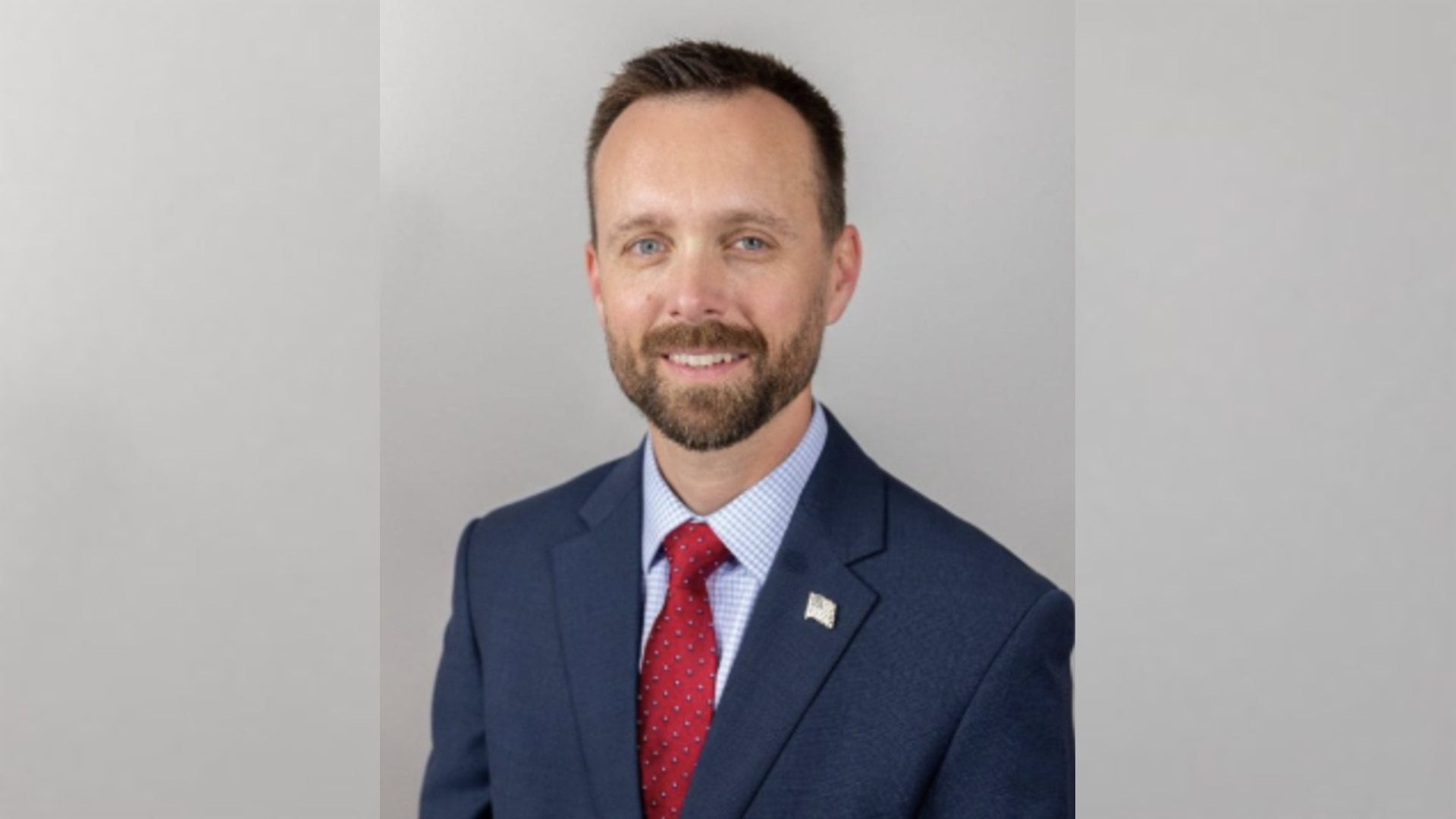
“We haven’t raised our property tax levy in 12 years, and we’ve seen our tax rate plummet during that time,” County Board Chairman Chris Slusser said. “We’ve also been completely debt-free for 15 years, we’ve paid for all capital projects in cash, and we’ve doubled our rainy-day fund.”
Slusser also thanked County Board members for their shared commitment to maintaining the property tax levy without an increase while protecting the county’s long-term financial stability.
The $30.7 million property tax levy, which represents the amount requested from property taxpayers, remains below the $34.25 million requested in 2014. During that period, the county either maintained or reduced its levy despite rising operating costs.
County government receives approximately 6% of the average property tax bill, compared with nearly 10% in 2014. School districts receive the largest portion, while municipalities, community colleges, townships and other taxing districts account for the remainder.
Although Madison County collects and distributes property taxes for local taxing districts, it controls only its own levy. Property assessments and levies established by other taxing bodies can affect individual tax bills.
The budget includes approximately $30 million for capital projects, including funds to redevelop newly acquired downtown Wood River properties as well as relocation funds. The investment allows the county to move operations from the former hospital complex along Edwardsville Road rather than continue costly maintenance and repairs.
Madison County pays for capital improvements with available funds rather than borrowing money and incurring interest expenses.
The county also adjusted its budgeting practices to direct replacement tax revenue toward one-time expenses and capital improvements rather than recurring costs such as salaries. The approach reduces reliance on revenue sources that can fluctuate significantly from year to year.
Madison County Board member and Finance Committee Chairman Chris Guy said the county’s financial position reflects years of careful planning and responsible spending.
“Our goal is to make decisions that protect the county’s financial stability today and well into the future,” Guy said. “By controlling spending, maintaining strong reserves and avoiding debt, we’re putting Madison County in a position to meet future needs without placing additional burdens on taxpayers.”
The spending plan also directs approximately $38.9 million toward roads and highways, including $4 million to cover municipalities that required 20% matching contributions for eligible federally funded road projects. The county’s assistance helps communities leverage federal transportation dollars, making road improvements more affordable for local governments.
Another $2.5 million supports township road and bridge assistance. Madison County covers 75% of eligible township bridge project costs, helping townships maintain safe crossings without bearing the full financial burden.
“Public safety remains one of our highest priorities, and we continue to invest in the people, equipment and infrastructure needed to protect our residents,” Slusser said. “Whether it’s strengthening emergency communications, supporting law enforcement or improving public safety facilities, we’re committed to providing the resources necessary to keep our communities safe.”
The budget includes funding for an additional sheriff’s deputy through the county’s Host Fee Fund to address trash and illegal dumping, a persistent problem raised by residents.
The spending plan also includes approximately $7.3 million for the county’s 911 emergency telephone system, along with funding for the Juvenile Detention Center, Health Department and mental health services.
Balancing the budget requires cooperation among county departments and independently elected offices, with several adjusting their original funding requests to help control spending.
The State’s Attorney’s Office, Public Defender’s Office and Probation Department were among those making concessions to their budgets, helping the county achieve a balanced spending plan.
“I appreciate the willingness of our elected officials and department heads to work together and make adjustments to their original budget requests,” Slusser said. “Balancing a budget requires everyone to look beyond their individual departments and consider what’s best for the county. That cooperation makes a difference for our taxpayers.”
Building and Zoning also shifted approximately $252,000 in personnel expenses from the General Fund to dedicated funding sources. Two positions moved to the Host Fee Fund and one to the Solid Waste Fund, reducing pressure on the county’s primary operating fund.
Madison County Board member and Personnel Committee Chairman Dalton Gray said managing personnel costs remains an important part of maintaining a balanced budget.
“Personnel costs represent a significant part of county operations, so we have to be thoughtful about how we allocate those resources,” Gray said. “We want to make sure our departments have the employees they need to serve residents while remaining mindful of the long-term costs to taxpayers.”
The county’s fiscal year starts Dec. 1 and runs through Nov. 30, 2027.
“We are in better fiscal shape than any of the 102 counties in Illinois, and it’s not even close,” Slusser said.
More like this:



- Most Popular


- Top Stories



- Most Recent