

Nov. 19 in Sports: From the ‘Game of the Century’ to World Cup Glory
The date in sports history spans Notre Dame’s 1966 tie with Michigan State, the Eagles’ Miracle of the Meadowlands and Australia’s 2023 Cricket World Cup title.
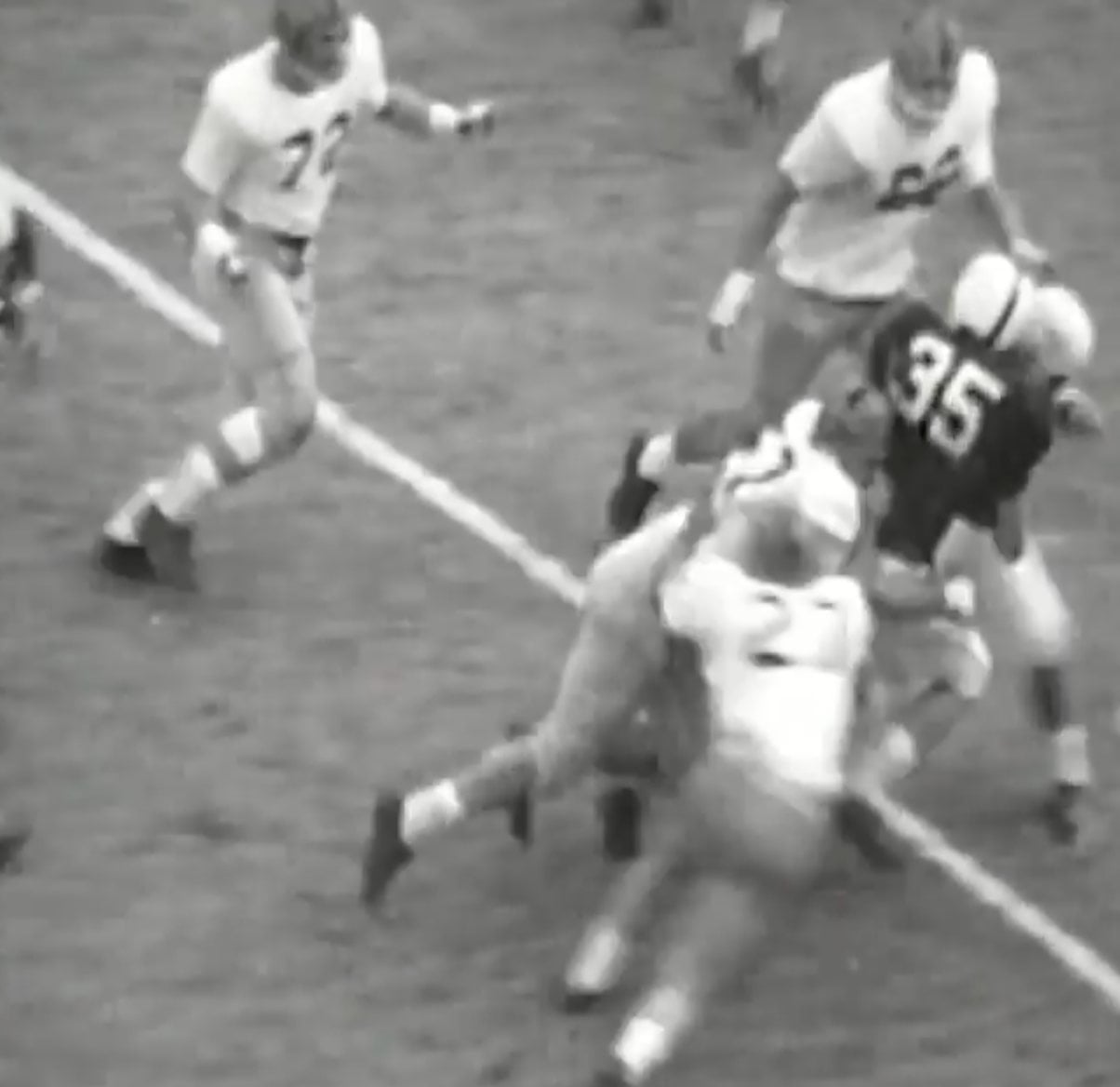
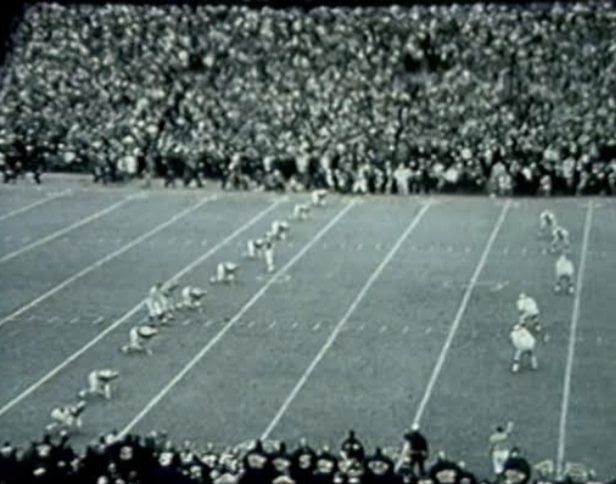 Sixty years ago today, college football’s two highest-ranked teams met with national championship stakes and left without a winner. No. 1 Notre Dame and No. 2 Michigan State played to a 10-10 tie on Nov. 19, 1966, in East Lansing, Michigan. The “Game of the Century” became an enduring example of how an unresolved result could define a season — and a national debate.
Michigan State built a 10-0 lead, but Notre Dame answered despite losing starting quarterback Terry Hanratty to an injury. Backup Coley O’Brien connected with Bob Gladieux on a 34-yard touchdown pass. Joe Azzaro’s 28-yard field goal at the start of the fourth quarter completed the comeback, leaving the teams level for the remainder of the afternoon.
Get The Latest News!
Don't miss our top stories and need-to-know news everyday in your inbox.
Notre Dame coach Ara Parseghian’s cautious approach on the final possession became a lasting point of discussion. Rather than risk a mistake while chasing victory, the Irish accepted the tie. Michigan State finished its season 9-0-1, and the matchup remained central to arguments about a sport whose leading teams could finish a showdown without settling their differences on the scoreboard.
The game also gave a national stage to Michigan State’s integrated program under coach Duffy Daugherty. The Spartans’ 1966 roster included 20 Black players at a time when many major college programs remained segregated. Beyond its championship implications, the meeting showcased a team that helped broaden opportunities in college football.
Twelve years later, Nov. 19 produced a football finish that was anything but cautious. In 1978, the New York Giants held a 17-12 lead over the Philadelphia Eagles in the closing seconds at Giants Stadium. Philadelphia had no timeouts remaining, and New York needed only to protect the ball and exhaust the clock.
Instead, quarterback Joe Pisarcik’s attempted handoff to Larry Csonka became a fumble. Eagles cornerback Herman Edwards recovered it and raced 26 yards for the winning touchdown, with 20 seconds remaining. Philadelphia escaped with a 19-17 victory in the play remembered as the “Miracle of the Meadowlands.” An apparently settled game had changed hands on one failed exchange.
The outcome mattered beyond the shock of the moment. The Eagles finished 9-7 that season, recording their first winning record since 1966 and reaching the playoffs for the first time since 1960. Edwards’ return supplied a crucial victory in that breakthrough, turning a near-certain defeat into part of the franchise’s return to postseason football.
On Nov. 19, 1979, baseball crossed a financial threshold when the Houston Astros signed Nolan Ryan to a four-year, $4.5 million free-agent contract. The agreement made Ryan baseball’s first player with a million-dollar-a-year contract, establishing a highly visible benchmark in the developing market for free agents.
The signing also brought the Texas native home. Ryan had established his reputation with a powerful fastball, and Houston’s investment attached a new salary milestone to one of the sport’s best-known pitchers. The figure was significant not simply as a large total, but because it placed annual baseball pay beyond the million-dollar mark.
Ryan’s Houston years produced more than a contract landmark. He threw his fifth career no-hitter against the Los Angeles Dodgers on Sept. 26, 1981, breaking his tie with Sandy Koufax. Although he did not deliver a National League pennant to Houston, his achievements gave the signing a substantial legacy on the field as well as at the negotiating table.
A decade after Ryan’s signing, the United States ended a long absence from men’s soccer’s biggest tournament. On Nov. 19, 1989, Paul Caligiuri scored the goal in a 1-0 victory over Trinidad and Tobago in Port of Spain. The result qualified the Americans for the 1990 World Cup, their first appearance since 1950.
The Americans entered the final qualifying match needing a victory. Caligiuri’s strike became known as the “Shot Heard ’Round the World,” a moment whose importance extended beyond securing a tournament berth. With the United States preparing to host the 1994 World Cup, qualification offered evidence that its national team could earn a place on the world stage before welcoming the tournament home.
On Nov. 19, 2023, Australia added another chapter to its Cricket World Cup history by defeating host India by six wickets in Ahmedabad. India entered the final unbeaten in the tournament, but Australia bowled the hosts out for 240 and reached 241 for four to claim its sixth men’s one-day World Cup championship.
Australia’s chase was initially uncertain. Three early wickets left the eventual champions at 47 for three before Travis Head and Marnus Labuschagne built a 192-run partnership. Head scored 137, while Labuschagne finished unbeaten on 58. Their stand transformed a difficult start into a controlled pursuit of the championship target.
The victory completed a remarkable recovery within the tournament itself: Australia had lost its first two matches before winning nine straight. On a date remembered for an unresolved football showdown and an improbable last-minute reversal, Australia supplied a decisive championship finish, overcoming both an early deficit in the final and a poor start to its campaign.
More like this:
- Most Popular



- Top Stories


- Most Recent