
BEIJING (AP) — Chinese technology giant Huawei launched new chip technologies in a challenge to global leaders such as Nvidia that highlights the narrowing gap between China and the U.S. in artificial intelligence.
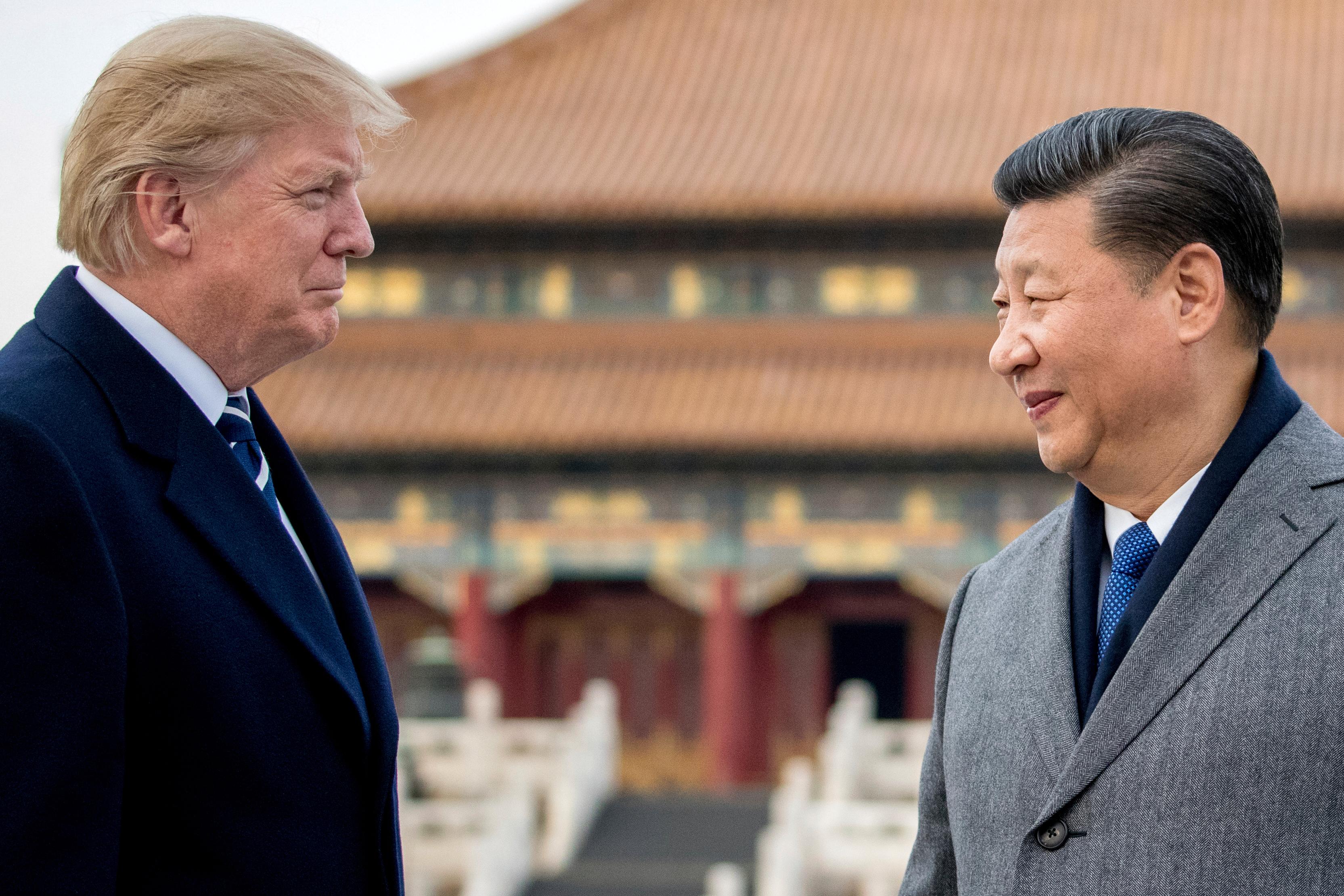
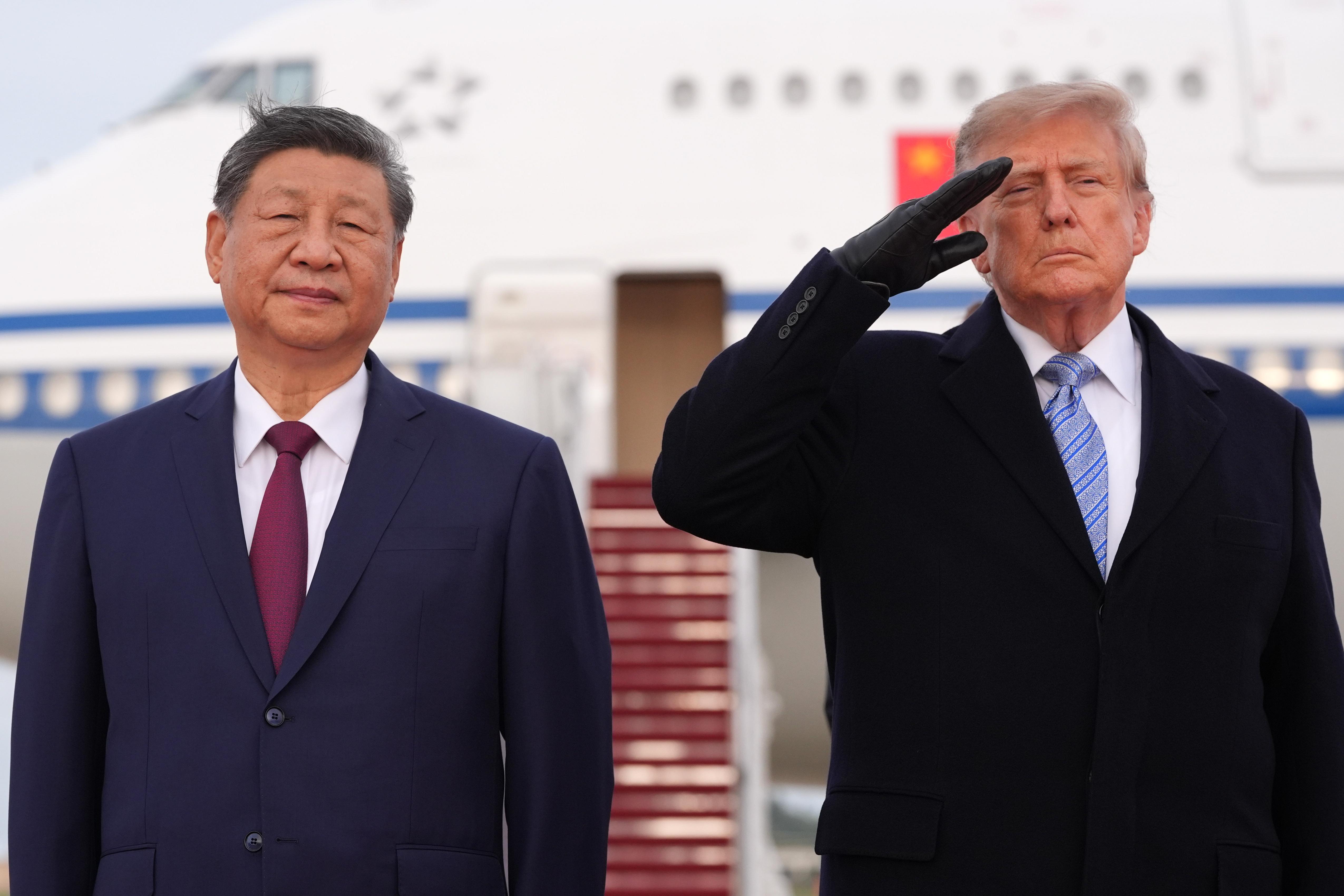
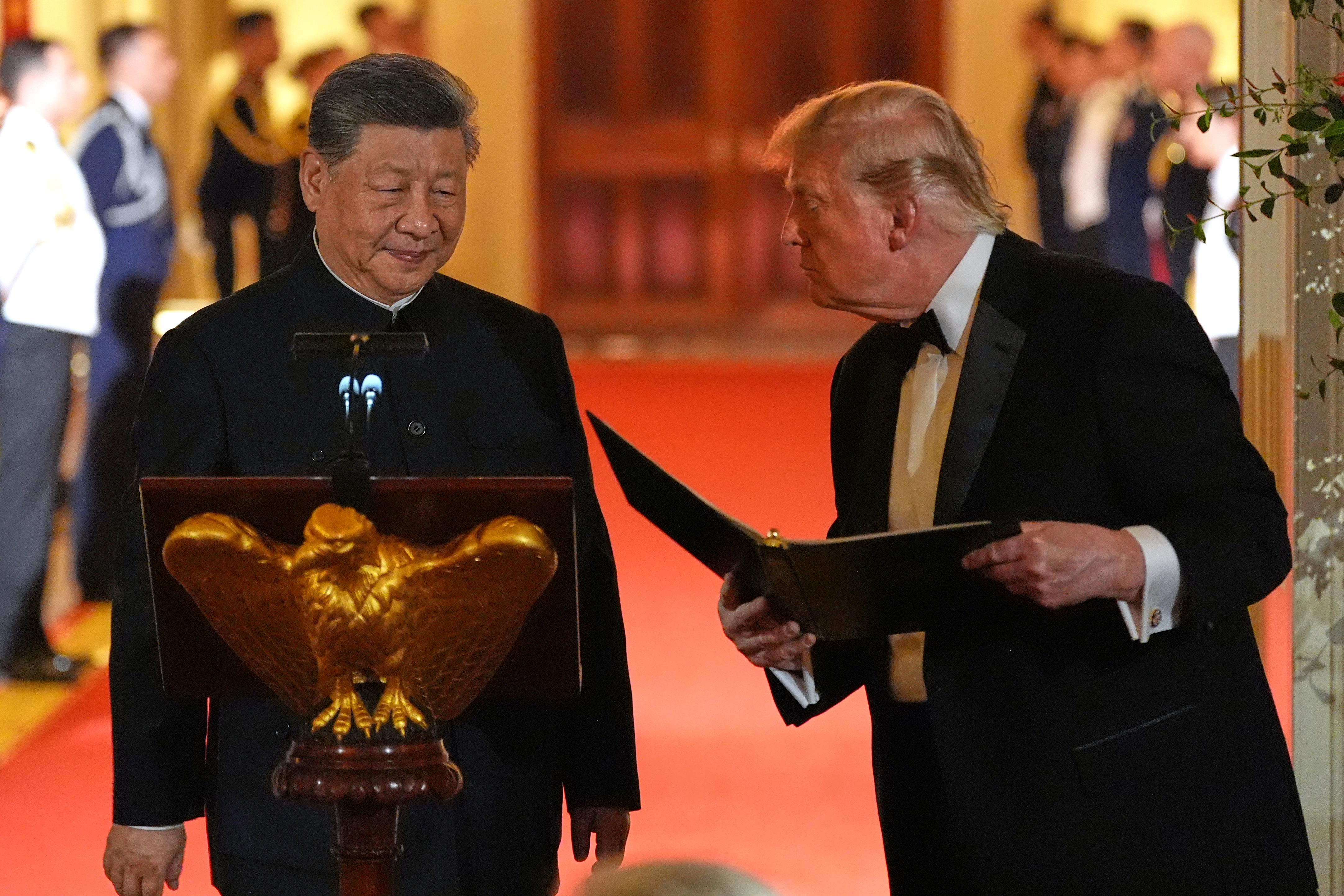
Huawei's announcement Thursday at its annual key conference in Shanghai came just days before an expected meeting between U.S. President Donald Trump and Chinese President Xi Jinping in Washington on Sept. 24.
Get The Latest News!
Don't miss our top stories and need-to-know news everyday in your inbox.
China has rapidly pursued technological self-reliance, including in chips, as U.S.-led restrictions barred it from accessing some of the world’s most advanced AI chips and cutting-edge chipmaking machines.
Huawei introduced the Atlas 960 SuperPoD computing cluster at the event, a faster successor to the model it launched only months ago with improvements in AI training and “inference,” referring to the process when a trained AI makes predictions or decisions.
Huawei also plans to launch the Ascend 970 and 980 chip series in 2028 and 2029, with expectations of significant improvements in computing power.
“The timing — less than two weeks before President Xi Jinping’s visit to Washington — underscores Beijing’s confidence and ambition in technology and innovation,” said George Chen, a partner and chair of digital practice at The Asia Group consultancy.
Huawei’s announcement also came as Trump downplayed AI leaders’ call to slow development of the technology for safety purposes. Trump insisted the U.S. must maintain its lead over China, saying “whoever wins in AI, wins.”
“AI developments move so quickly that no one can be certain of holding the lead forever,” Chen said.
Advanced technologies in China such as the training of AI models still often rely on U.S. chips, including those from Nvidia, analysts say. But Huawei has made its own advanced chips and maintains a lead over Chinese chip developers, as AI companies in China increasingly embrace the use of domestic chips.
The Atlas 960 SuperPoD computing cluster raised eyebrows among some technology analysts by coming soon after the company rolled out the Atlas 950 SuperPod late last year.
“The fact that Huawei achieved this upgrade in just a year, far quicker than before, will only heighten U.S. anxiety about the accelerating AI competition,” Chen said.